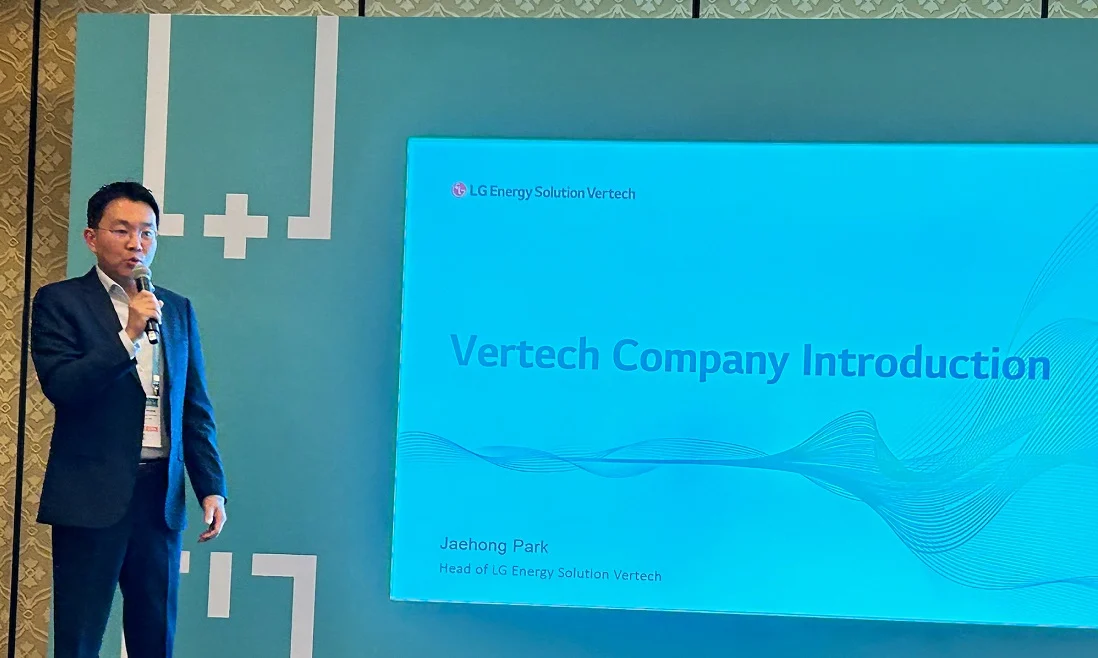
LG Energy Solution’s US battery storage system integrator arm has signed a 1.5GW/6GWh deal with Michigan utility DTE Energy.
Why it matters: The era of mixing-and-matching BESS components is dying; if you don't offer proprietary software or secure direct factory-integration deals, you're just a laborer for the big battery brands.
The 'Everything-Under-One-Roof' Play
If you still think of LG Energy Solution (LG ES) as just a battery cell manufacturer, you’re looking at the industry through a 2018 rearview mirror. This 6GWh deal with DTE Energy isn’t just about shipping containers of lithium; it’s about LG ES Vertech—the system integration arm born from their acquisition of NEC Energy Solutions. They are no longer just a supplier to the guys building the projects; they are the guys building the projects.
For developers in markets like Germany, the UK, or Italy, this is a loud signal. The 'Lego-block' era of BESS—where you’d pair a Korean cell with a Chinese inverter and a bespoke European EMS—is being systematically dismantled by vertical integration. When a giant like LG locks in 6GWh in a single contract, they are achieving economies of scale on their ARES software suite and thermal management systems that a mid-sized European integrator simply cannot match.
The Margin Squeeze for Independent Integrators
We’ve seen this pattern before in the PV module space, and it’s now hitting storage. As hardware prices for LFP (Lithium Iron Phosphate) cells continue their race to the bottom—currently hovering around $50-$60/kWh at the cell level—the profit has migrated to the software layer and long-term O&M. By controlling the entire stack, LG is capturing the margin that used to be split between three different companies.
If you are an independent developer in Europe, you need to ask yourself: what is your 'moat'? If your only value-add is knowing which cables to plug in, you’re already obsolete. You must either own the land/interconnect (the 'hard' assets) or develop proprietary dispatch logic that outperforms the manufacturer’s generic software. Otherwise, you’re just a subcontractor for the battery giants.