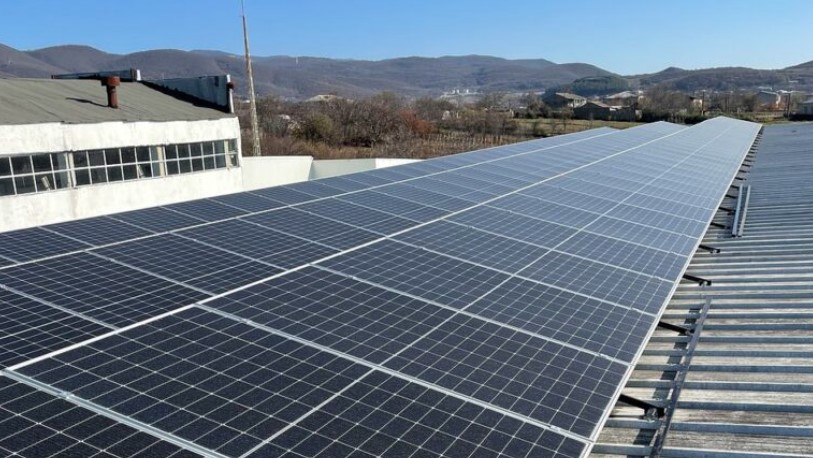
El contrato cuenta con un presupuesto de 119.026 euros, un plazo de ejecución de 16 semanas y un periodo de recepción de ofertas abierto hasta el 17 de junio.
Why it matters: Collective self-consumption is the future of Spanish municipal solar, but administrative friction with distributors will eat your profit if you haven't priced in the red tape.
At first glance, a budget of €1.19 per watt-peak for a 100kW rooftop system in the Basque Country looks like a comfortable margin. But for any installer who has actually navigated a Spanish public tender lately, that €119,026 figure is a siren song. This isn’t just a simple hardware play; it’s an administrative marathon disguised as an engineering project.
The Administrative Debt of 'Autoconsumo Colectivo'
The technical complexity of installing roughly 200 modules on a school roof is negligible. The real risk lies in the autoconsumo colectivo component. Under RD 244/2019, setting up collective sharing coefficients requires a level of coordination with the distributor—in this region, likely i-DE (Iberdrola)—that can derail a project’s profitability. If the distributor drags their feet on the CAU (Código de Autoconsumo) or the validation of the sharing agreement, that 16-week execution window starts to look dangerously narrow.
If you are bidding on Plentzia, do not compete on the price of the inverter. Compete on your ability to manage the paperwork. The company that wins this won't be the one with the cheapest technicians; it will be the one with the most experienced administrative lead who knows exactly which Iberdrola office to call when the collective registration stalls in the portal.