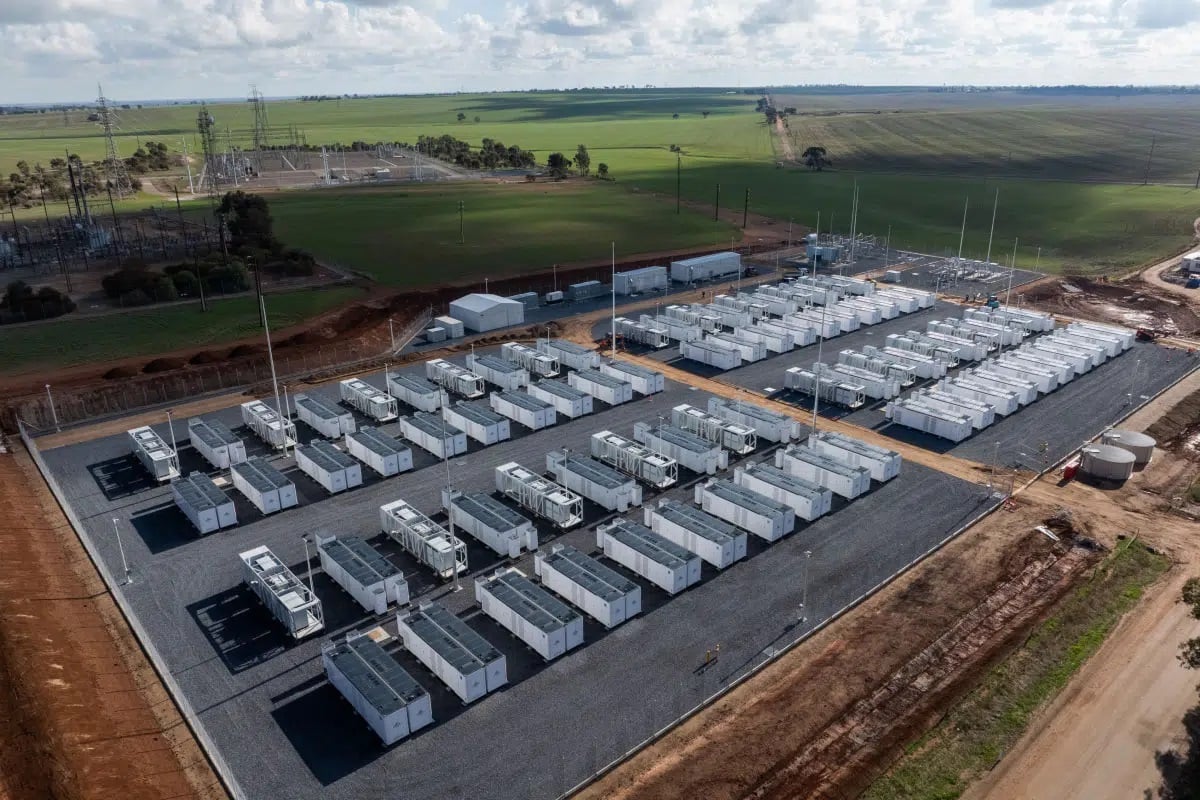
South Australia's first Firm Energy Reliability Mechanism (FERM) tender has awarded agreements to six battery energy storage projects totalling 1,334MW and 5,336MWh.
Why it matters: If you aren't modeling 4-hour storage durations today, your 2027 project pipeline will be obsolete before the first shovel hits the ground.
The Death of the 1-Hour Battery
If you’re still pitching 1-hour BESS configurations for C&I or utility-scale projects in Europe, you’re building yesterday’s technology. South Australia just signaled where the puck is going. By mandating a 4-hour duration for over 5GWh of capacity, they’ve moved beyond frequency response (FCR/aFRR) and into the territory of genuine firming. This isn't about stabilizing the grid; it's about replacing gas peakers entirely.
For a developer in the Netherlands or Germany, the takeaway is clear: the revenue stack is shifting. We’ve seen FCR prices in the Nordic and Central European markets begin to saturate. When everyone has a battery to catch 15-minute spikes, the margin on those spikes evaporates. The real money is moving toward time-shifting — taking that midday solar glut and discharging it during the evening peak. South Australia is simply five years ahead of the EU in proving that 'Firm Energy' is the only way to survive 100% renewable penetration.
Why the FERM Model Wins
The 'FERM' model is the blueprint for what we will eventually see from TenneT, REE, or Amprion. It moves the conversation away from erratic merchant tailwinds toward long-term 'reliability' payments. If your current project pipeline relies on 1C discharge rates to make the IRR look good, you’re exposed. You need to start looking at the 0.25C math now. The LCOS (Levelized Cost of Storage) for a 4-hour Tesla Megapack or Sungrow PowerTitan setup is the new benchmark for bankability.