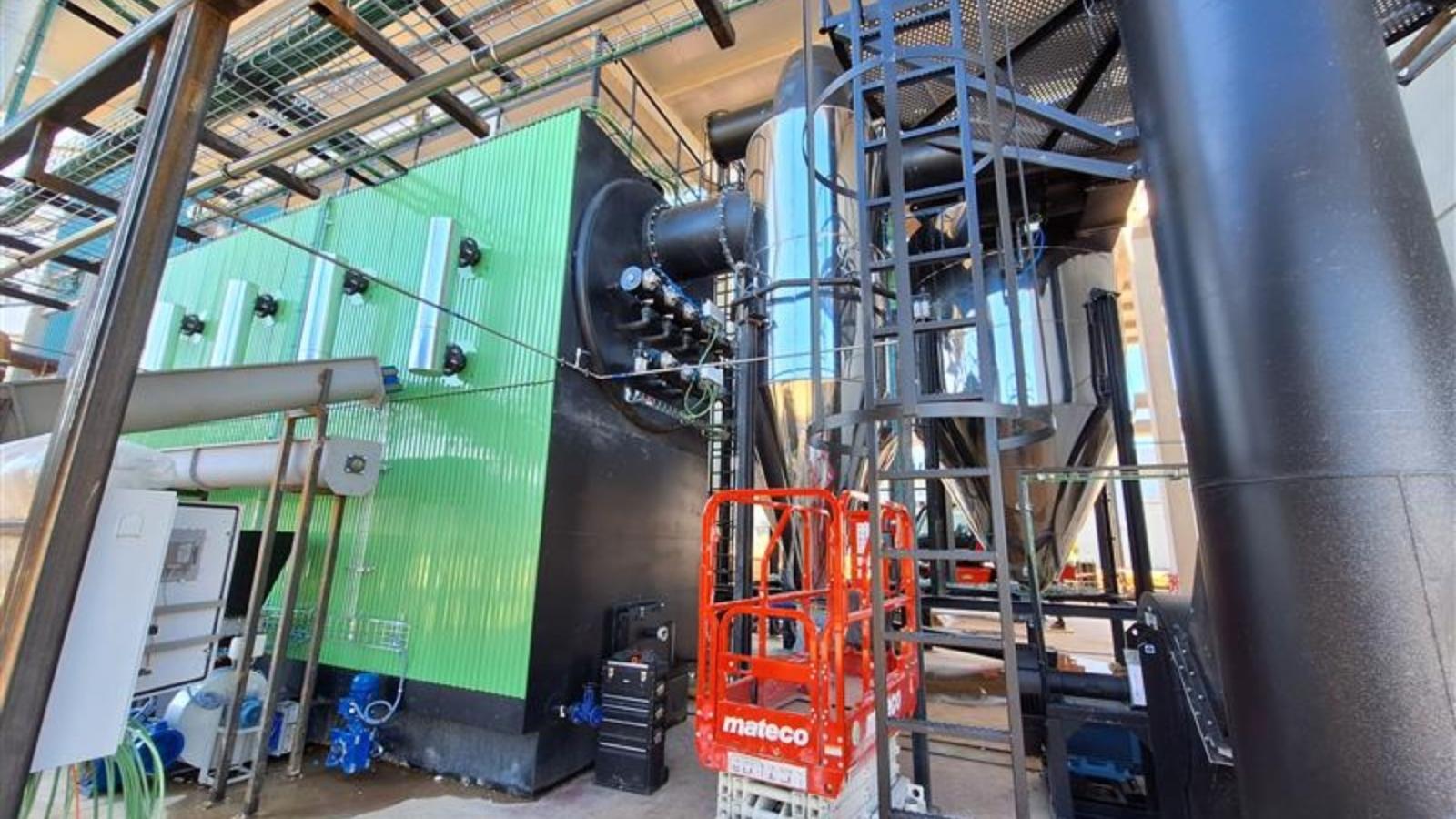
Un nuevo RD en información pública obligará a las ciudades de más de 45.000 habitantes a planificar sus redes de calor y frío antes de 2028 y propone aprovechar el calor residual de instalaciones de más de 8 MW.
Why it matters: Your industrial clients now have a legal mandate to manage heat; if you can't integrate solar with their thermal recovery, you'll lose the contract to a multi-utility provider.
If you think your job is just mounting Tier 1 modules and commissioning SMA inverters, you’re missing the biggest shift in the Spanish C&I market since the removal of the sun tax. This Royal Decree (RD) isn't just a bureaucratic hurdle for mayors; it’s a forced marriage between the electrical and thermal sectors that will redefine project ROIs in every Spanish city from Vigo to Almería.
The 8MW Threshold is Your New Prospecting List
The mandate to recover waste heat from facilities over 8MW is a massive signal for solar developers. Think about the data centers popping up in Alcobendas or the massive cold-storage logistics hubs in Zaragoza. These facilities are thermal radiators. By 2028, they won't just be allowed to vent that heat; they’ll be expected to use it. This is where high-temperature heat pumps come in, and those pumps need the cheap, mid-day electrons that only a well-designed PV plant can provide. If you aren't pitching a PV-to-Heat-Pump-to-Thermal-Storage ecosystem, you're pitching an incomplete solution.
The Margin is in the Integration
Standard PV margins are being squeezed by Chinese module oversupply and aggressive EPC bidding. However, integrating waste heat recovery with a solar plant requires actual engineering chops—the kind that allows you to charge a premium. We saw this in Denmark a decade ago; those who mastered Energy-as-a-Service (EaaS) models thrived while 'panel hangers' went bust. In Spain, this RD is the catalyst. If your client has an 8MW thermal signature, they have a regulatory headache that only a sophisticated solar-plus-thermal strategy can cure.