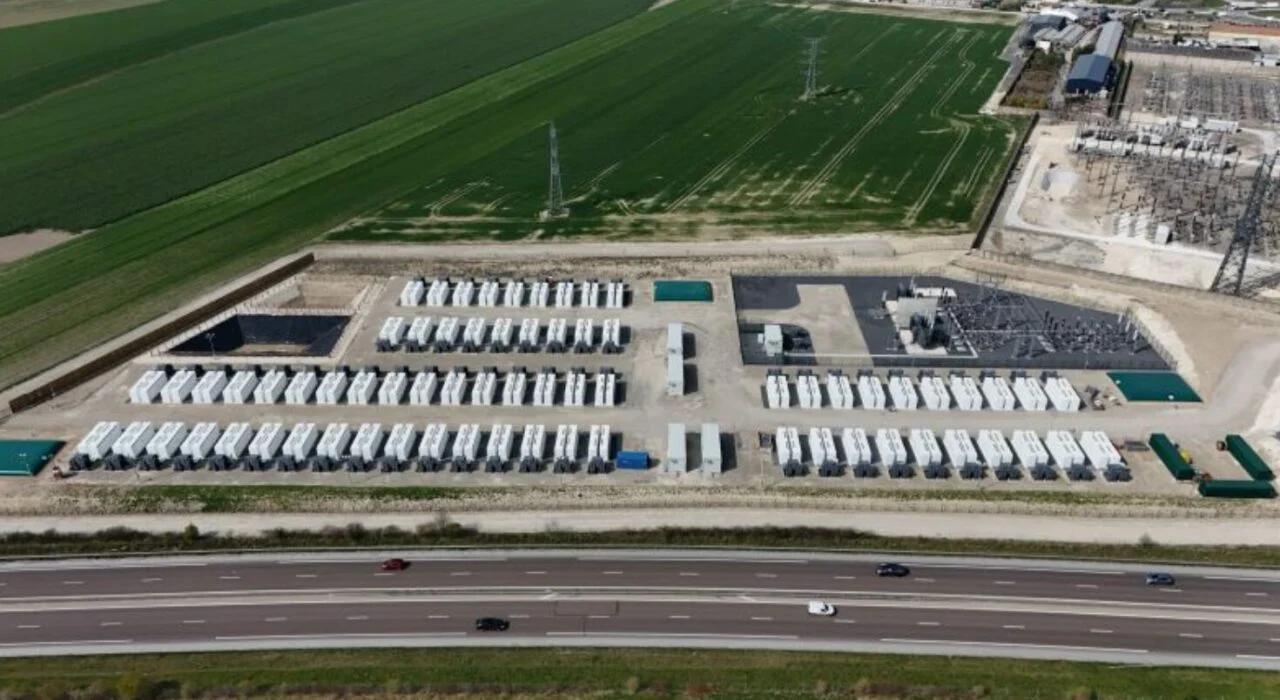
TagEnergy has commissioned a 240MW/480MWh project in France while Iberdrola has done the same with a 58MW/120MWh system in Spain, the two largest projects in each country.
Why it matters: The era of 'solar-only' is over; if you aren't designing for 2-hour storage and revenue stacking, your projects won't survive the next wave of price cannibalization.
Look at those two numbers side-by-side and tell me the Spanish energy transition is going well. TagEnergy just dropped 240MW into the French grid, while Iberdrola—a global utility titan—is popping champagne over a mere 58MW in Spain. In a country literally drowning in solar-driven midday price cannibalization, a 58MW system being the 'largest' isn't a milestone; it's a systemic failure of regulatory signaling.
The Revenue Stacking Gap
Why the disparity? It comes down to how you get paid. France’s Appel d’Offres Long Terme (AOLT) provided the long-term price visibility that developers need to satisfy stone-faced bank credit committees. Meanwhile, in Spain, developers are still waiting for a functional capacity market. If you are an EPC or developer in Iberia, you are currently playing a dangerous game of 'merchant tail' chicken, hoping that price volatility alone will justify your CAPEX. It won't. Without the Capacity Remuneration Mechanism that the industry has been begging for, Spain’s battery fleet will remain a collection of pilot projects while France builds a backbone.
The 2-Hour Standard is the New Floor
Note the ratios here. Both TagEnergy and Iberdrola are hitting the 2-hour duration mark (480MWh for 240MW). If you’re still pitching 1-hour BESS configurations to C&I clients in Italy or Germany, you’re selling them a legacy product. With Engie and Chint Solar now breaking ground in Belgium and Germany, we’re seeing a shift toward multi-service stacking: frequency regulation (FCR) is the appetizer, but energy arbitrage and congestion management are the main course. For installers, the message is clear: if your software stack can’t handle dynamic switching between these revenue streams, your hardware is just an expensive paperweight.
The real 'war story' here is Italy. ACL Energy moving to construction signals that the MACSE bidding mechanism is finally turning the Italian market into more than just a PowerPoint presentation. If you aren't positioning your business for the storage-plus-solar retrofit boom, you're leaving the most profitable part of the value chain to the companies mentioned in this headline.