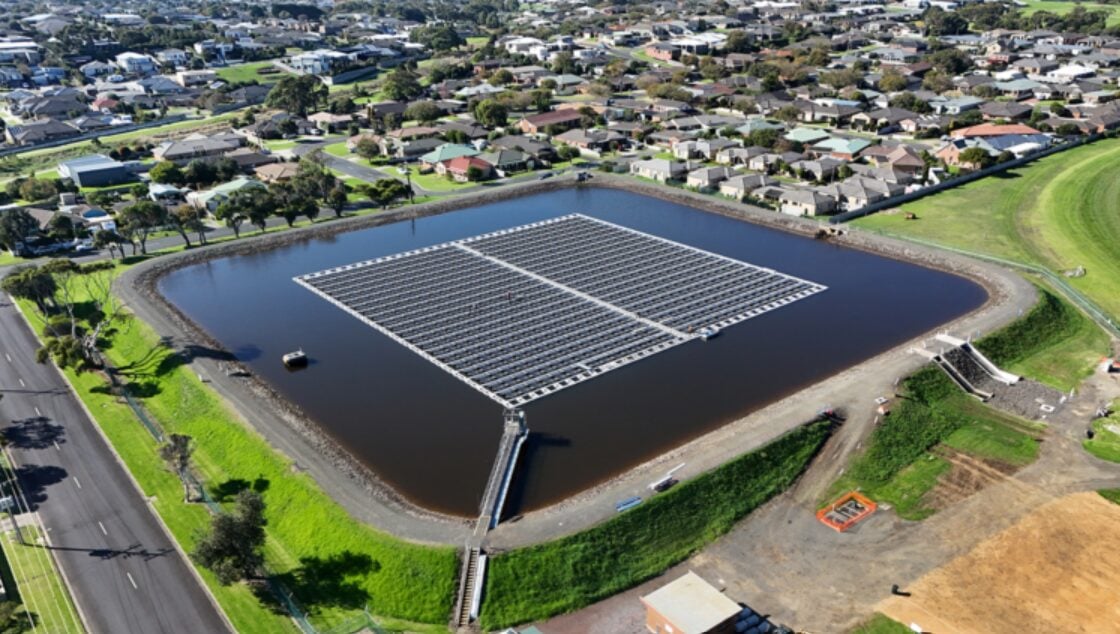
Melbourne-based developer Enervest has delivered what is claimed to be one of Australia's largest floating solar installations, built to offset the energy costs of pumping drinking water in regional Victoria.
Why it matters: Water treatment plants have the load, the space, and the budget—FPV is the only way to bypass land-use restrictions and deliver 10%+ higher yields.
The Great European Land War
If you're trying to permit a 5MW ground-mount system in Germany or the Netherlands right now, you’re likely losing sleep over agricultural zoning and NIMBY neighbors. This Enervest project in Victoria isn't just another 'big array' story; it’s a tactical roadmap for European installers who are tired of fighting for every hectare of soil. In the EU, where land prices are skyrocketing and RED III mandates are pushing for faster rollouts, the 'Water-Energy Nexus' is where the smart money is moving.
Why Water Boards are Your Best Clients
Water utilities like Wannon Water are the ideal PV customers. They have massive, constant base loads from pumping stations—often the single largest electricity expense for a municipality. By moving the array onto the reservoir, you eliminate land lease costs and site preparation headaches like grading or archaeological surveys. We’ve seen this work at scale with BayWa r.e. and their 48MWp Bomhofsplas project in the Netherlands. The yield benefits are real: the cooling effect of the water can boost module efficiency by up to 5-10% compared to a baking-hot rooftop or a dusty field.
The Maintenance Reality Check
Before you go out and pitch your local water board, don't underestimate the O&M shift. You aren't just an electrician anymore; you're part-mariner. I’ve seen early FPV systems struggle because the installers didn't account for bird guano accumulation on isolated arrays or the specific tensioning requirements of mooring lines during seasonal water level changes. If you’re spec’ing a project like this, look at Zimmermann PV-Stahlbau or Isifloating systems. You need salt-water resistant mounting and specialized cable management that handles constant motion. If you can master the floating balance sheet, you’ll stop competing on price-per-watt and start selling a specialized infrastructure solution with much fatter margins.