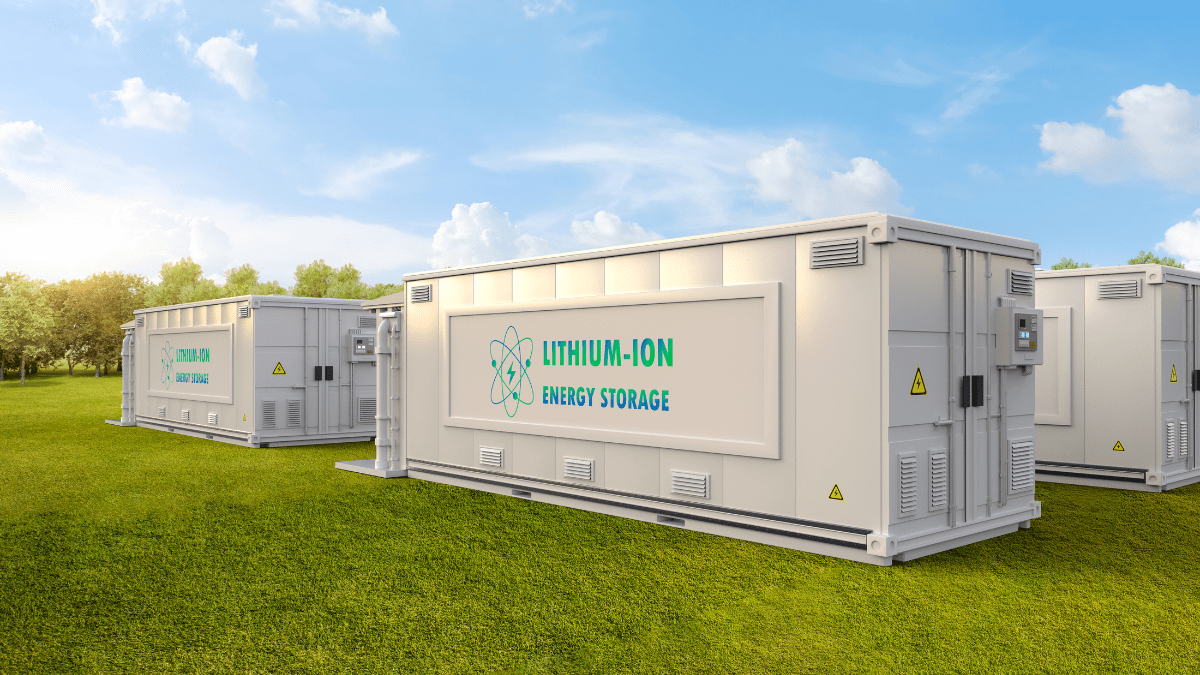
The framework promotes diverse storage models, competitive bidding, and technical standards while emphasizing safety and environmental management.
Why it matters: Massive storage mandates in India stabilize the global LFP supply chain, ensuring the hardware prices you quote for C&I projects in Europe remain predictable.
The Scale Play: Why Chennai Matters to Munich
On the surface, a draft regulation from the Tamil Nadu Electricity Regulatory Commission (TNERC) looks like local administrative noise. It isn’t. Tamil Nadu is one of India’s most renewable-heavy states, frequently grappling with the same curtailment headaches seen in the Iberian Peninsula or Eastern Germany. When a market of this scale codifies 'competitive bidding' for storage, it effectively places a massive, multi-gigawatt order for the global battery supply chain.
The LFP Price Floor
For European installers, the direct impact is procurement stability. We are currently seeing LFP (Lithium Iron Phosphate) cell prices hovering near historic lows at the factory gate in China. Massive mandates in regions like Tamil Nadu provide the volume certainty that manufacturers like CATL and BYD need to keep production lines running at high utilization. This prevents the supply volatility that plagued the EU market in 2022. If you’re quoting a 500kW C&I project in the Netherlands right now, you’re essentially a beneficiary of these global volume plays that keep your hardware margins from evaporating.
Standardization via Regulation
The TNERC draft emphasizes 'technical standards and safety.' This is a critical signal. As we’ve seen with the evolving VDE-AR-E 2510-50 in Germany, the industry is desperate for a unified safety playbook. When a price-sensitive market like India adopts rigorous safety standards, it forces Tier-2 Chinese manufacturers to standardize their export hardware. The result? A more professionalized pool of hardware for you to choose from when Sungrow or Huawei lead times get too long. We’ve seen this pattern before in the PV module market; storage is simply following the same roadmap toward commoditization and reliability.