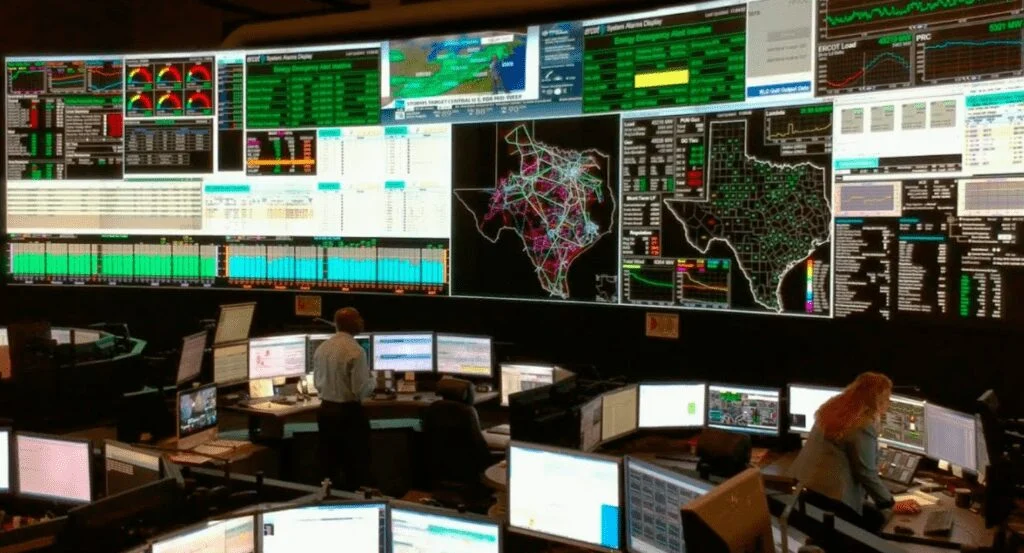
The Electric Reliability Council of Texas (ERCOT) has initiated a programme to encourage battery energy storage systems (BESS) and other inverter-based resources to adopt grid-forming technology.
Why it matters: Specifying 'grid-following' only hardware today is like buying a 3G phone in 2012—it will be technically obsolete before the project's ROI is realized.
While $25 million is pocket change in the world of Texas energy, the signal is a deafening siren for European developers. We are officially entering the era where 'grid-following' inverters are becoming a liability. If your BESS project just sits there waiting for a voltage signal to mimic, you’re building yesterday’s technology.
The Death of the 'Passenger' Inverter
Most BESS currently installed in markets like the UK or Germany act like passengers on a bus; they follow the grid's frequency and voltage. But as we decommission the massive spinning turbines of coal and gas plants, the 'bus' loses its momentum (inertia). Grid-forming (GFM) technology allows the inverter to act as the driver, creating its own voltage wave and stabilizing the system during a fault. ERCOT is paying for this now because they've realized that a grid full of 'followers' is inherently brittle.
The European Reality Check
Don't think this is just a 'Texas thing.' ENTSO-E (the European Network of Transmission System Operators) is already deep into the weeds on technical requirements for GFM. If you are spec'ing hardware for a 10MW+ C&I project in the Netherlands or Spain today, you need to be grilling your reps at SMA, Huawei, or Sungrow about their GFM firmware roadmap.
A Warning on Margins
If you're bidding on a project today with thin margins using the cheapest 'grid-following' tech available, you are setting yourself up for a painful retrofit in 36 months. Texas is showing us that the grid isn't just a dumping ground for electrons anymore; it’s a service environment that requires active support. Build a 'dumb' battery at your own peril.