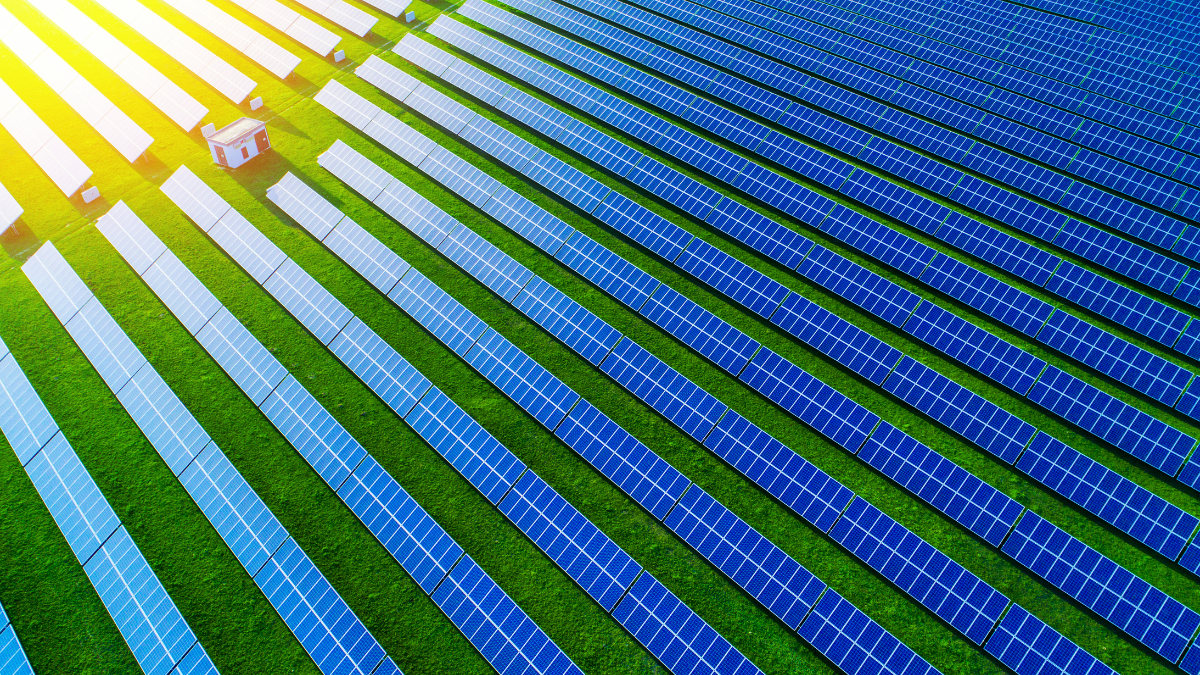
Alsons Power is transforming its 55 MW diesel facility in Alabel, Sarangani into a 98.7 MW solar power project, a shift towards renewable energy in Mindanao.
Why it matters: Stop hunting for green fields with 5-year wait times; the real money is in repurposing existing grid connections at dying industrial sites.
Don’t look at this as a feel-good story about the Philippines cleaning up its grid. Look at it as a masterclass in asset sweating and grid connection arbitrage. For the European developer, the 55 MW diesel-to-98.7 MW solar conversion by Alsons Power is a signal of where the real margins are hiding as greenfield sites become a regulatory nightmare.
The Value is in the Copper, Not the Fuel
In markets like Germany, Poland, and Greece, the single biggest bottleneck isn't module pricing or labor—it’s the ENTSO-E interconnection queue. We’ve seen developers in Spain wait five years for a 20MW connection while paying land leases on empty fields. Alsons is sidestepping this by repurposing a legacy 55 MW diesel site. They aren't just building a plant; they are hijacking existing substation infrastructure and a proven point of interconnection (POI).
The 1.8x Capacity Play
Notice the math: they are swapping 55 MW of diesel for nearly 100 MW of solar. In the European context, this is the perfect setup for a DC-coupled BESS (Battery Energy Storage System) play. If you're looking at an aging gas peaker or a dying coal plant in the Ruhr valley, you shouldn't be aiming for a 1:1 replacement. By leveraging high-power string inverters—think SMA Sunny Highpower PEAK 3 or Sungrow’s SG350HX—you can overbuild the DC side to maximize the existing AC export limit. You’re essentially turning a dirty, expensive baseload asset into a high-value, dispatchable solar-plus-storage hub without digging a single new trench for high-voltage cables.
Stop Hunting Greenfields
The smart money in the EU is moving toward "Brownfield Solar." Whether it’s former lignite mines in Lusatia or decommissioned industrial parks in Northern Italy, these sites come with pre-disturbed land and, crucially, a legal precedent for industrial power use. If you are an EPC still trying to convince farmers to give up cornfields, you’re fighting an uphill battle against NIMBYism and environmental impact studies. The Alsons move proves that the quickest path to 2027 commissioning is through the skeletons of the 20th-century energy grid.