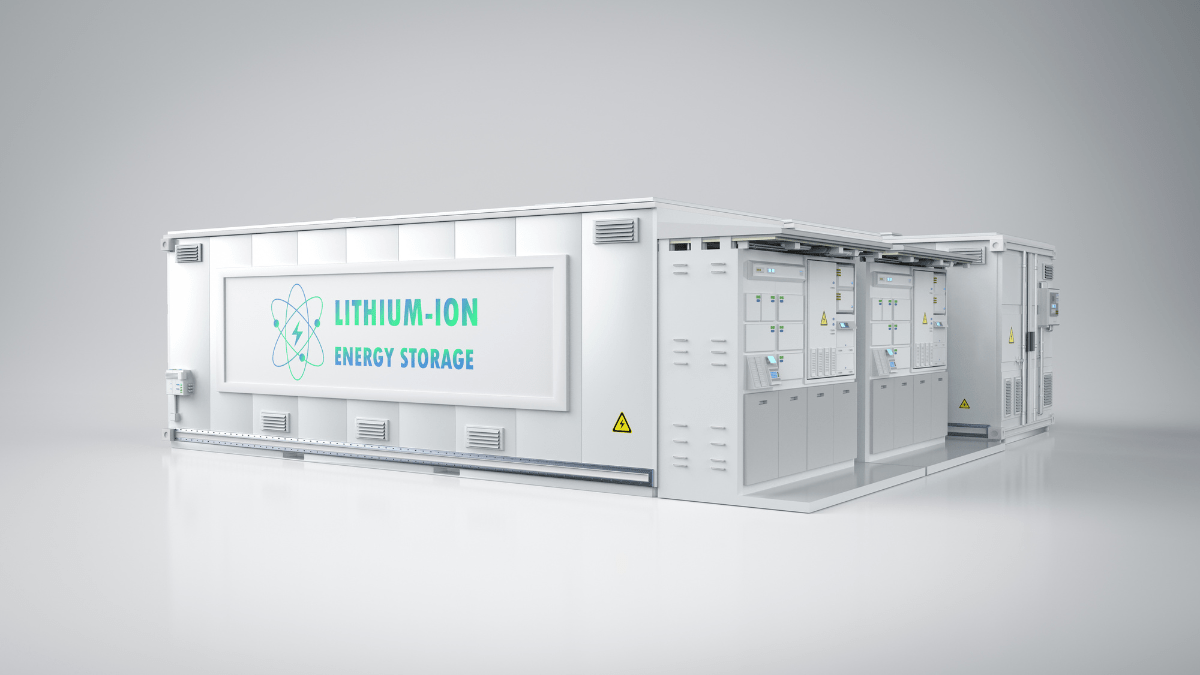
These technologies can replace gas peaker plants and support renewable energy generation. With expanding capacities and state mandates, industries are increasingly investing in long-duration solutions to enhance energy reliability and reduce costs.
Why it matters: If you’re still pitching 1:1 power-to-energy ratios for C&I, you’re building yesterday's system for tomorrow's saturated energy markets.
Don’t let the U.S. focus of the IEEFA briefing fool you; the physics of market saturation are universal. For the last three years, European BESS developers have been getting fat on frequency response services like FCR and aFRR. But that gold rush is ending. As more 1-hour and 2-hour systems crowd the stack, those high-margin ancillary service prices are cratering. The smart money in Germany, the Netherlands, and the UK is already pivoting toward Long-Duration Energy Storage (LDES)—and you should too.
The Arbitrage Trap
If you are still pitching a 1:1 power-to-energy ratio for a commercial client in Iberia or Italy, you are doing them a disservice. A 1-hour battery is a scalpel for trimming peaks; an LDES system is a bucket for moving energy. With solar cannibalization driving midday prices toward zero (or negative) across the EU, the ROI is no longer in "shaving"; it’s in shifting. We are talking about moving 4 to 8 hours of production from the 1 PM solar glut to the 8 PM price spike.
The Hardware Shift
The lesson from the U.S. success is clear: short-duration storage proved the tech works, but long-duration storage is what makes the business sustainable. Stop building toys and start building infrastructure.