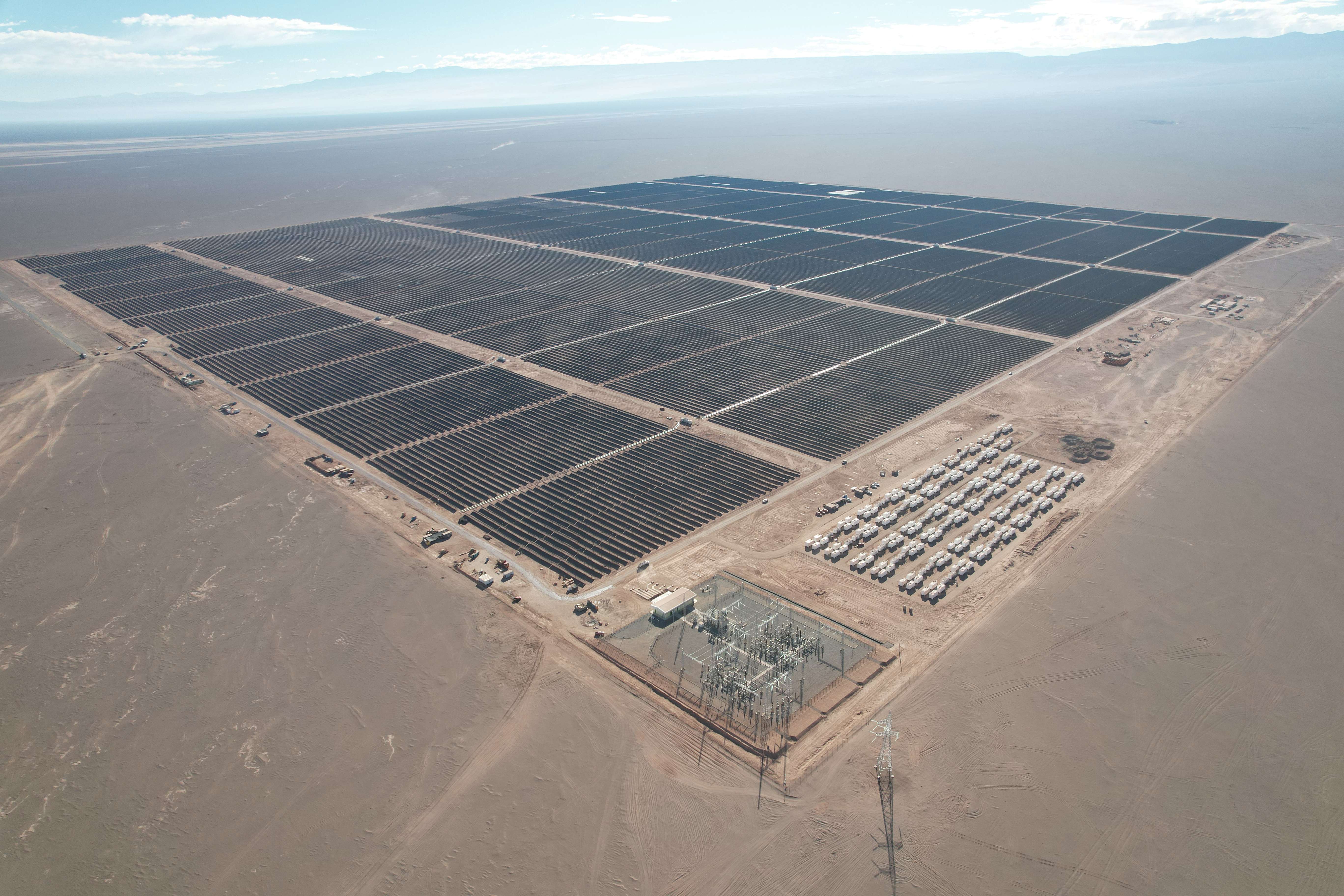
The acquisition includes operations in Chile, Peru, and Colombia, encompassing a 3,500 MW renewable energy portfolio.
Why it matters: Zelestra is bringing a $1.1B war chest back to Europe, which will drive up the price of grid connections and RTB projects in your backyard.
When a heavyweight like Zelestra—the EQT-backed evolution of Solarpack—unloads a 3.5 GW portfolio in Latin America, it’s not just a balance sheet cleanup. It is a loud, billion-dollar signal that the smart money is fleeing the volatility of the Southern Cone for the perceived "safety" of the European and U.S. markets. For those of us on the ground in Iberia, Italy, and Poland, this move is a double-edged sword.
The "Flight to Quality" or Flight from Chaos?
Let’s be honest: Chile’s solar market has become a cautionary tale of what happens when generation outpaces transmission. We’ve seen zero-dollar spot prices and massive curtailment in the Atacama for years. By offloading these assets to Promigas, Zelestra is effectively trading the headache of grid congestion in the Andes for a war chest to dominate the European PPA market. If you are a mid-sized developer in Spain or Germany, you should be checking your flank. A billion dollars buys a lot of pipeline, and Zelestra isn't looking for 5MW community projects; they are looking to swallow the 100MW+ utility-scale developments that usually anchor local portfolios.
What This Means for the M&A Landscape
The takeaway is clear: the "gold rush" in emerging markets is cooling as developers realize that political stability and grid reliability in Europe, despite our own regulatory hurdles like the REPowerEU bottlenecks, offer a better long-term IRR. If you’re a local player, your value now lies in your local permitting expertise—because the big boys are coming home with very deep pockets.