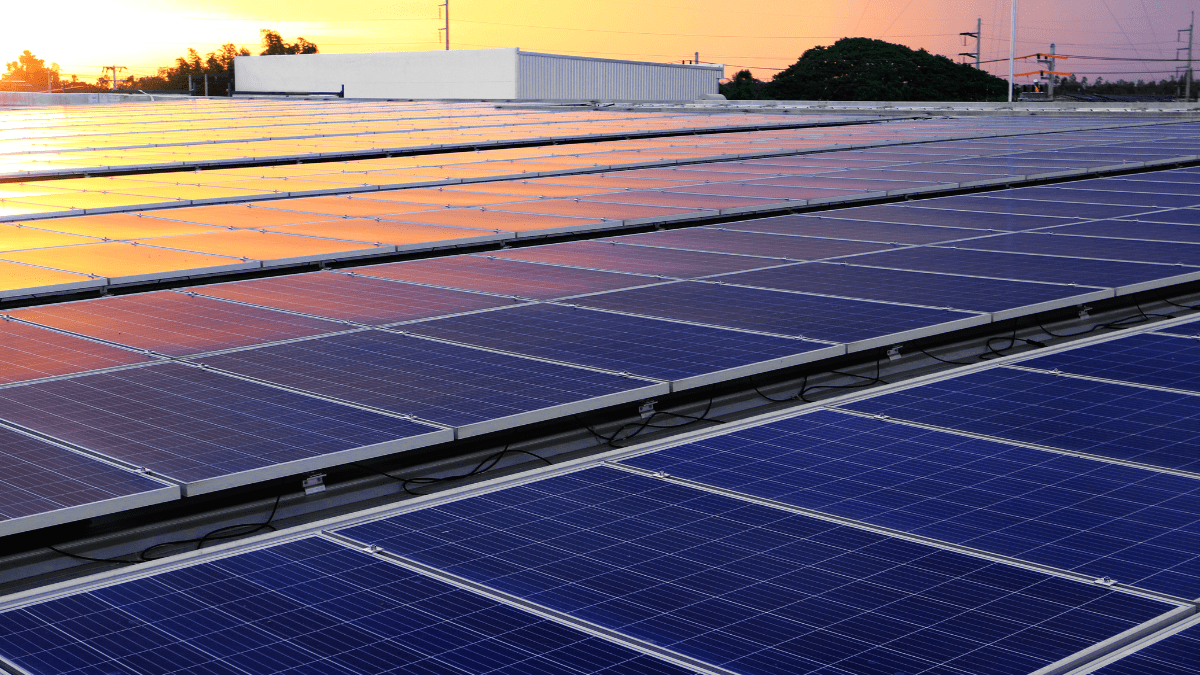
The Solar Energy Corporation of India Limited (SECI) has invited bids for approximately 12.25 MW of rooftop solar projects in Jawahar Navodaya Vidyalayas.
Why it matters: Distributed rooftop tenders are a logistics nightmare; if your O&M platform isn't world-class, the truck-roll costs will eat your PPA margins alive.
On paper, a 12.25 MW tender looks like a healthy mid-sized win. But for any developer who has actually managed a distributed portfolio, this SECI announcement should set off alarm bells. We aren't talking about one clean 12 MW ground-mount site; we are talking about hundreds of individual rooftops scattered across the Indian subcontinent. For the European EPC or project developer, this is a masterclass in why logistics and O&M software are more important than the panels themselves.
The RESCO Model Death Trap
SECI is pushing the RESCO (Renewable Energy Service Company) model here. This means the developer doesn't just build the site; they own and operate it, selling the power back to the schools. In a high-labor-cost environment like Germany or the Benelux, a 50 kW to 100 kW rooftop site with a 25-year O&M obligation would be a non-starter unless the PPA was astronomical. In India, while labor is cheaper, the geographic dispersion makes the truck-roll economics just as terrifying.
The 'Death by a Thousand Cuts' O&M
The Money Angle: This isn't a solar project; it's a logistics and financial engineering project. Success depends on whether the developer can bundle these assets into a portfolio for a secondary buyer. If you're a European installer looking at similar 'Solar for Schools' municipal tenders, remember: if your O&M platform doesn't support automated ticketing and remote resets, 12 MW of distributed rooftop is just 12 MW of headache.