marking a significant milestone as the first project from Bid Window 6 of REIPPPP to commence operations.
Why it matters: The grid, not the sun, now dictates which 100MW+ projects actually reach COD, whether you are in Limpopo or Lower Saxony.
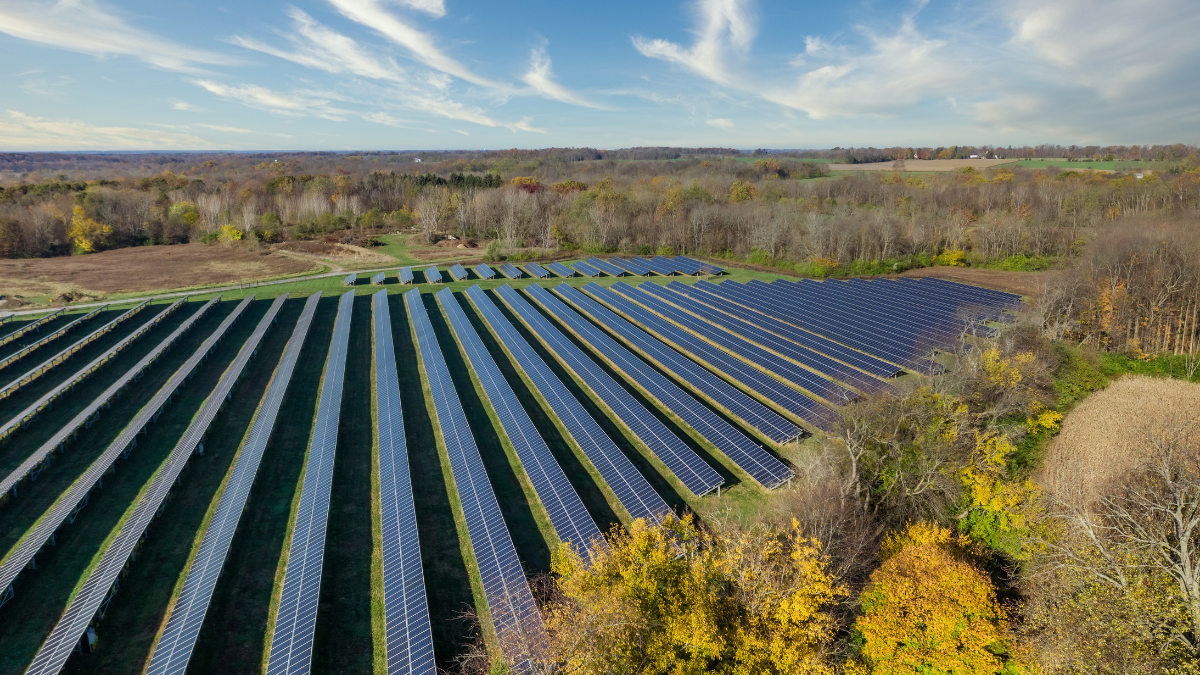
marking a significant milestone as the first project from Bid Window 6 of REIPPPP to commence operations.
The Grid is the New Permitting
While the 120 MWp Doornhoek project is a PR win for AMEA Power, it’s a sobering reminder of the 'Grid Trap.' For those not following the REIPPPP saga, Bid Window 6 was originally envisioned as a massive 4.2GW expansion. Instead, it was gutted because Eskom’s grid capacity in the sun-drenched Eastern and Western Cape was functionally nonexistent. The fact that Doornhoek is only now crossing the line as the first operational project of its cohort tells you everything about the survival of the fittest in congested markets.
The 'Eskom-ification' of Europe
European developers in the Netherlands or Brandenburg shouldn't look at South Africa as a distant outlier. We are witnessing a similar structural paralysis. When bidding for capacity today, the 'grid connection' line item is no longer a technical formality; it is the primary project risk. In South Africa, AMEA Power succeeded where others stalled because they picked a site in the North West province, where the grid still had breathing room. The lesson for EU installers: Site-selection based on irradiance is a legacy metric. Site-selection based on substation proximity and transformer headroom is the only strategy that yields an IRR worth showing to investors.