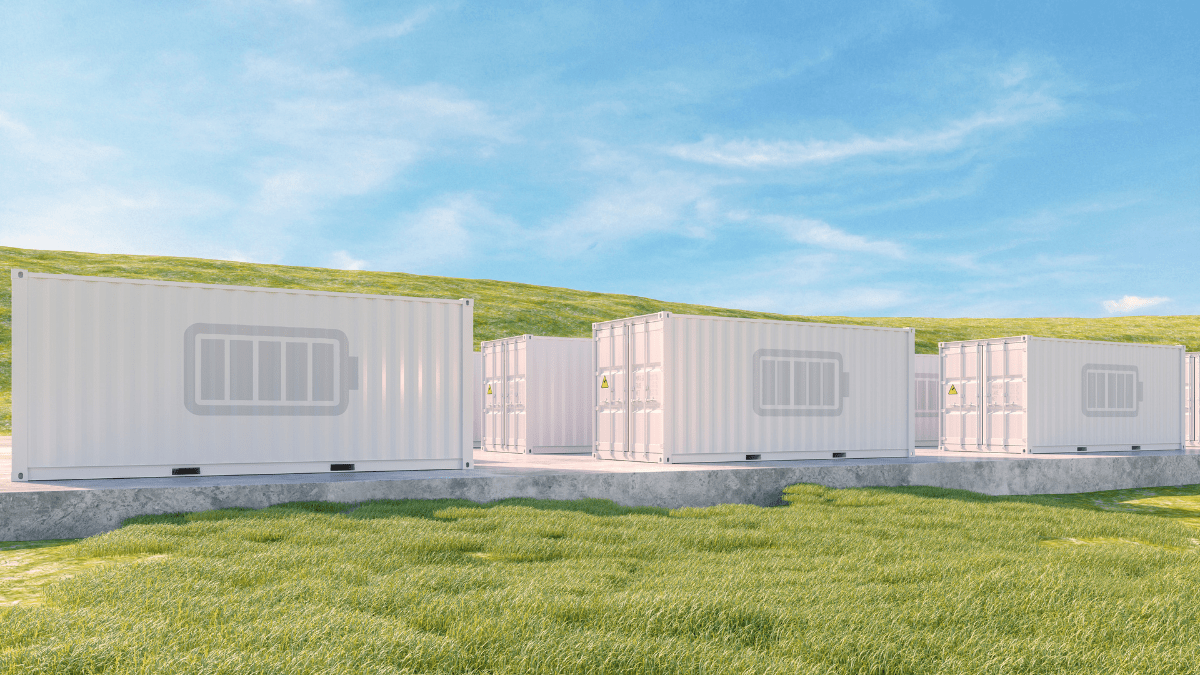
In Q1 2026, the global energy storage system market saw shipments of 126.40 GWh, marking a 79% annual growth but a slight quarterly decline.
Why it matters: Storage hardware is becoming a commodity, so your profit now depends on smart integration and energy management software rather than just marking up the battery.
Don’t let the "slight quarterly decline" mentioned in the report fool you; that’s just a seasonal hangover after a frantic Q4. The real story is the staggering 126.4 GWh shipped in a single quarter. To put that in perspective, that’s more capacity hitting the market in three months than we saw in entire years during the early 2020s. If you’re an installer in Germany, Italy, or the Netherlands and you aren't attaching a BYD Battery-Box or a Sunsynk unit to 90% of your residential quotes, you’re essentially leaving the most profitable part of the job for your competitors.
The Death of Net Metering is Your Sales Pitch
We are witnessing a fundamental shift in the European business model. The transition away from generous Feed-in Tariffs (FiTs) toward self-consumption—driven by regulations like the Dutch phase-out of net metering—has made storage the primary driver of ROI. When LFP (Lithium Iron Phosphate) cell prices are hovering near record lows, the math for a 10kWh home stack becomes a no-brainer for the homeowner. BYD topping the rankings isn't a fluke; they’ve mastered the modular stack that installers can carry up a flight of stairs without blowing out their backs.
The Margin Trap
However, there is a warning buried in these numbers. As shipments skyrocket and BYD or CATL scale up, the hardware is becoming a commodity. The Money Angle: Your hardware margins on the BESS itself will continue to compress. To survive, European firms must pivot from being "box-shifters" to "energy architects." This means:
If you’re still selling solar-only systems, you’re selling a half-finished product. In 2026, the battery is the brain; the panels are just the sensors.