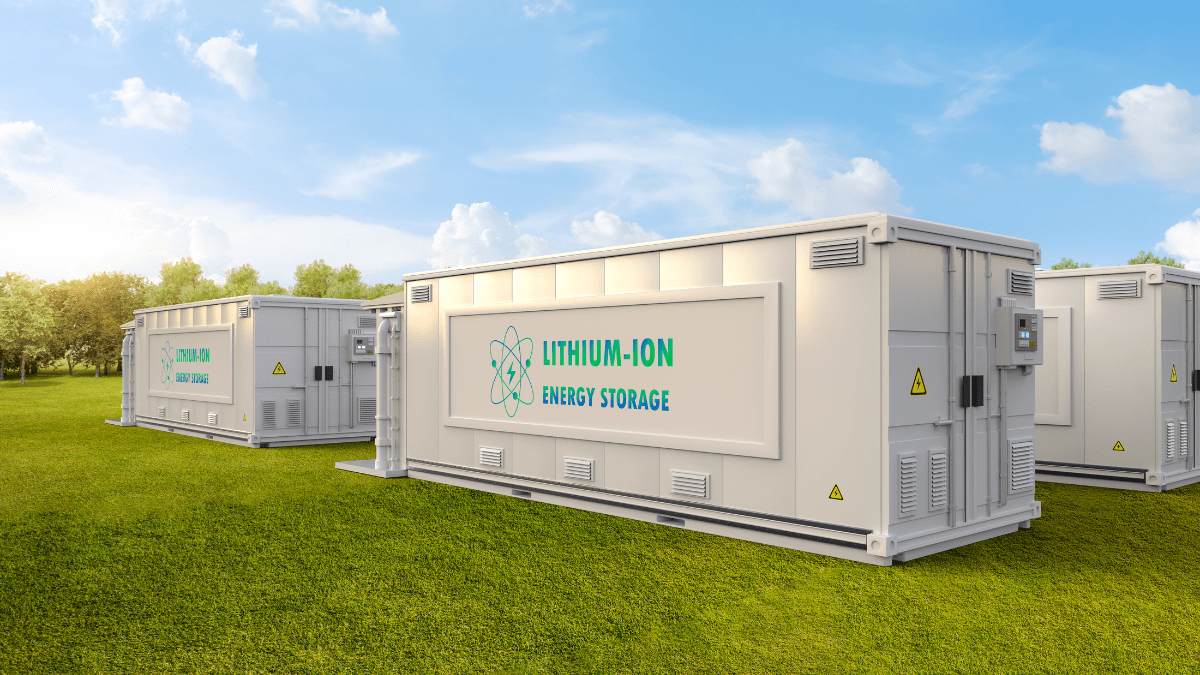
Short-duration technologies, crucial for grid reliability, are fostering confidence in the energy storage sector, attracting support from data centers and AI firms, while states mandate utility deployment.
Why it matters: LDES is moving from R&D to the RFP stage; if you only know lithium-ion, you're becoming obsolete in the high-margin C&I sector.
While European installers are still fighting over margins for 5kWh residential packs, the US is telegraphing the next multi-billion euro shift: Long-Duration Energy Storage (LDES). We’ve spent the last decade perfecting the 1-to-2-hour lithium-ion cycle for frequency response and simple arbitrage, but that era is peaking. The IEEFA report isn't just another whitepaper; it’s a signal that the "AI-energy-industrial complex" has decided that 4 hours of backup is a joke.
The 'Google Effect' on European C&I
Data center operators like Microsoft and Google are already moving toward 24/7 Carbon-Free Energy (CFE) targets. In the US, this is forcing a pivot toward technologies like iron-flow batteries (think ESS Inc) or iron-air systems (Form Energy) that can discharge for 100 hours. For a developer in the Netherlands or Germany, this is your future. As grid congestion in regions like North Brabant forces Tennet to halt new connections, the only way to get a C&I project approved will be to prove the site can run autonomously for days, not hours.
The Bottom Line: Stop selling batteries and start selling firm power. If your 5MW solar proposal for a factory doesn't include an 8-hour storage option, you’re leaving the door open for a more sophisticated competitor to walk in with an LDES solution that actually solves the client’s grid-stability anxiety.