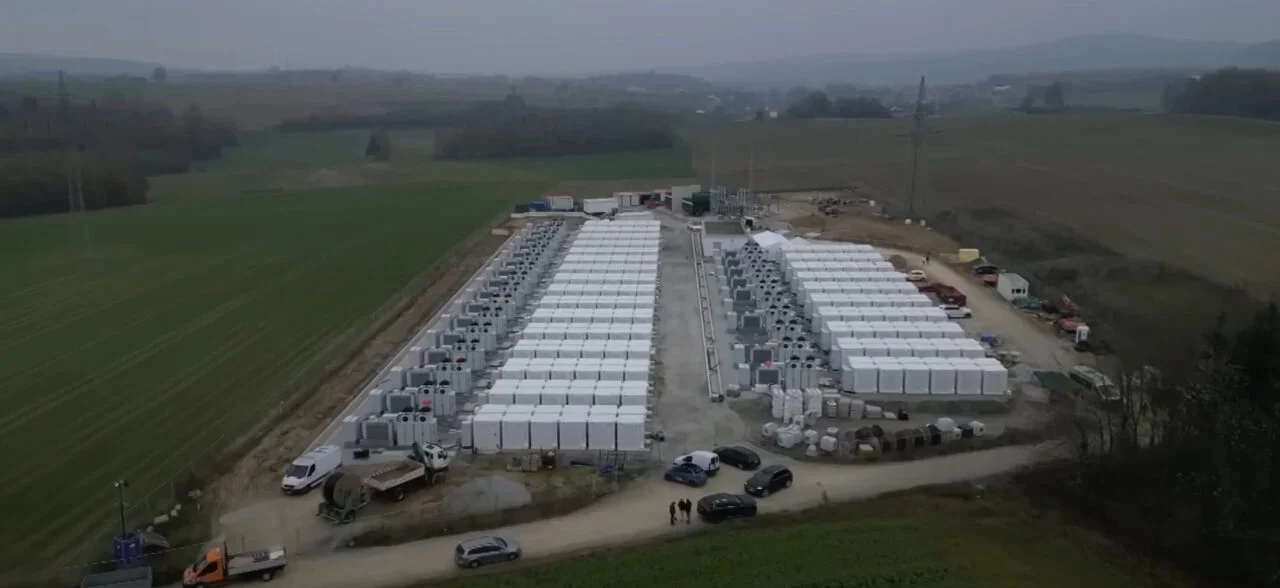
The German network regulator’s decision to maintain grid fee exemptions for battery storage “ensures that billions in private investment remain directed” into the market.
Why it matters: The removal of 'double-taxation' on stored energy makes German C&I and utility-scale storage bankable again, but only for systems smart enough to trade on frequency markets.
Let’s be honest: the Bundesnetzagentur (BNetzA) didn’t perform an act of charity here; they simply stopped themselves from sabotaging the 2030 climate targets. For those of us in the trenches, the threat of 'double-charging' grid fees has been the single biggest bottleneck for German BESS. If you’re pitching a 10MW project to an investor, you can’t have the grid operator taxing the electrons both when they enter the cells and when they leave. It’s economically illiterate.
The Arbitrage Life-Support Machine
The business case for storage in Germany currently leans heavily on price volatility. In 2023, we saw Day-Ahead prices hit negative territory for over 300 hours. Without the § 118 Abs. 6 EnWG exemption, the cost of 'refilling' a battery during those periods would be cannibalized by grid fees, rendering the entire arbitrage strategy dead on arrival. For installers moving into the C&I space with systems from Tesvolt or Intilion, this decision means you can finally provide a bankable ROI calculation without a massive asterisk next to the regulatory risk section.
The 2029 Cliff Edge
Don't break out the champagne just yet. This isn't a permanent fix; it’s a stay of execution. The regulator is signaling that while fees are off the table for now, they expect storage assets to become more 'system-beneficial.' We are moving toward a reality where BESS must actively relieve grid congestion to earn their keep. If you are spec-ing hardware today, ensure your EMS (Energy Management System) is capable of aFRR (automatic Frequency Restoration Reserve). The 'dumb' peak-shaver is a dying breed. By the time the next regulatory review rolls around in 2029, only those assets that can dance to the grid’s tune will remain profitable.