Iberdrola inaugura la hibridación con BESS de Campo Arañuelo I y II.
Why it matters: Solar-only projects in Southern Europe are facing a merchant price death spiral; storage is now the only way to guarantee a bankable IRR.
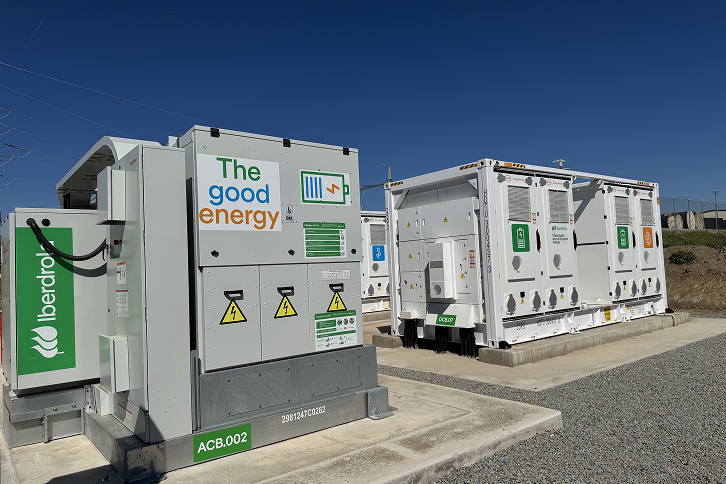
Iberdrola inaugura la hibridación con BESS de Campo Arañuelo I y II.
The Cannibalization Defense
While the headlines are buzzing about Matrix Renewables building 457 MW in Texas, the real strategic intelligence for the European professional is buried in Extremadura. Iberdrola’s inauguration of the battery energy storage system (BESS) hybridization at Campo Arañuelo I and II isn't just a ribbon-cutting ceremony; it is a tactical retreat from the merchant price volatility that is currently gutting the ROI of pure-play PV assets across the Iberian Peninsula.
The Numbers Don't Lie
If you are a developer in Spain or Portugal, you know the pain: midday captured prices are frequently hitting zero or even turning negative. By adding 40 MWh of storage to these assets, Iberdrola isn't just 'being green'—they are protecting their margins. We are seeing a shift where the Levelized Cost of Storage (LCOS) is finally meeting the 'cost of doing nothing.' In 2023, we saw solar curtailment in Spain reach record highs; if you aren't pitching hybridization now, you are selling your clients a stranded asset.
The Consolidation Signal
Look at the Sonnedix acquisition of eight plants. This is classic late-cycle behavior. The 'easy' money in greenfield development is gone because the grid is full. Smart money like Sonnedix is buying up existing capacity to aggregate and eventually hybridize. For the mid-sized installer, the message is clear: stop obsessing over module efficiency and start mastering the Energy Management System (EMS). Your value-add is no longer the panels; it’s the software that decides when to charge that 20MW BESS and when to sell into the secondary frequency response market.