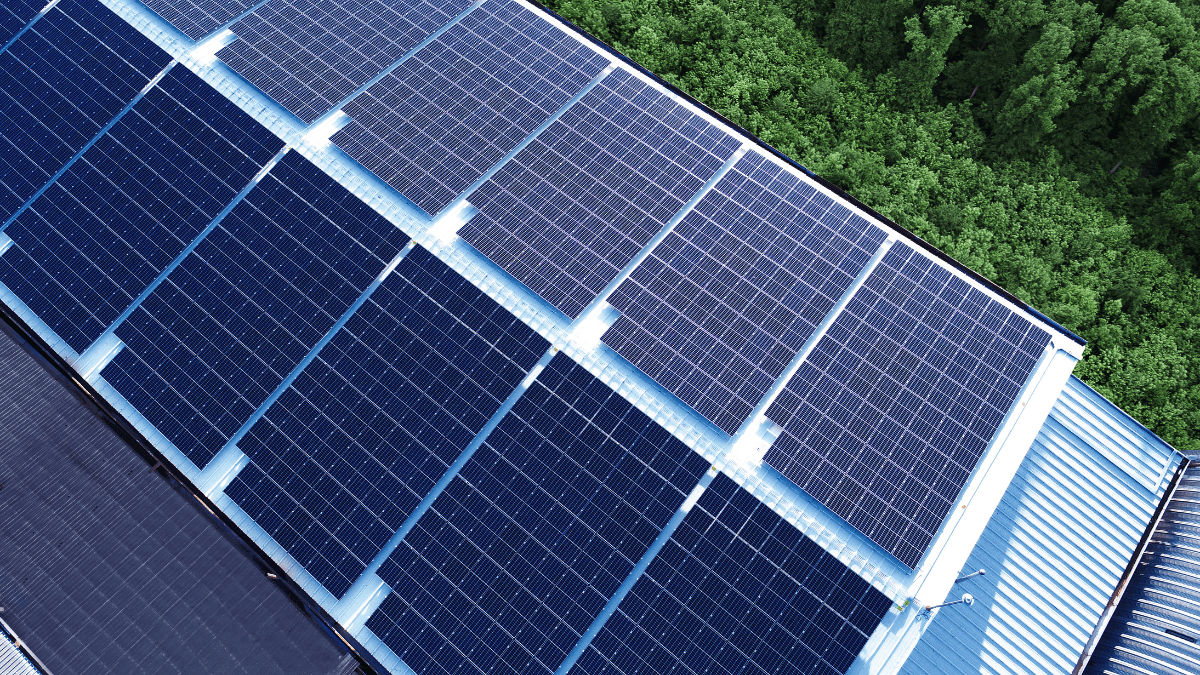
The PM Surya Ghar: Muft Bijli Yojana has successfully installed rooftop solar systems in 40 lakh households in India, transforming citizens into electricity producers... Launched in February 2024, the program aims for one crore installations by March 2027.
Why it matters: India’s massive appetite for entry-level hardware will dictate global inverter availability and could trigger a secondary 'inventory dump' in Europe if their local subsidies pivot.
If you think the European residential market is the center of the solar universe, these numbers should sober you up. India has just equipped 4 million households (40 lakh) in roughly 15 months. For context, that is nearly the entire installed residential base of Germany and Italy combined, achieved in a fraction of the time. This isn't just a feel-good story about rural electrification; it is a massive gravitational shift in the global supply chain.
The Manufacturer Priority Shift
When a single market demands 10 million (one crore) string inverters and roughly 30-40 GW of modules within a three-year window, manufacturer priorities shift overnight. We are already seeing Tier-1 brands like Growatt, Solis, and Sungrow allocating massive production capacity to meet Indian tender requirements. For a medium-sized installer in Benelux or Poland, this means your 'preferred partner' status is shrinking. When India calls for a million 3kW inverters, your 500-unit order for a local warehouse suddenly looks like a rounding error.
The ALMM and the 'Dumping' Risk
India’s Approved List of Models and Manufacturers (ALMM) acts as a protectionist barrier, forcing much of this demand toward domestic Indian assembly or specific certified Chinese lines. This creates a two-tier quality market:
The risk for European EPCs? As India hits its 2027 target, any sudden policy shift there could result in a massive 'inventory flush' of older tech toward European ports, crashing your asset values mid-project. We saw this in 2018; don't think it won't happen again.
The Regulatory Lesson
While we drown in the EU’s Net Billing complexities and German 15-H rules, India is brute-forcing growth via a unified national portal and direct-to-consumer subsidies. It’s messy, and the installation quality in some regions would make a Dutch inspector faint, but the scale is undeniable. If Europe doesn't simplify the 'Smart Readiness Indicator' and grid connection red tape, we will remain a boutique market while the real volume—and the hardware leverage that comes with it—moves East.