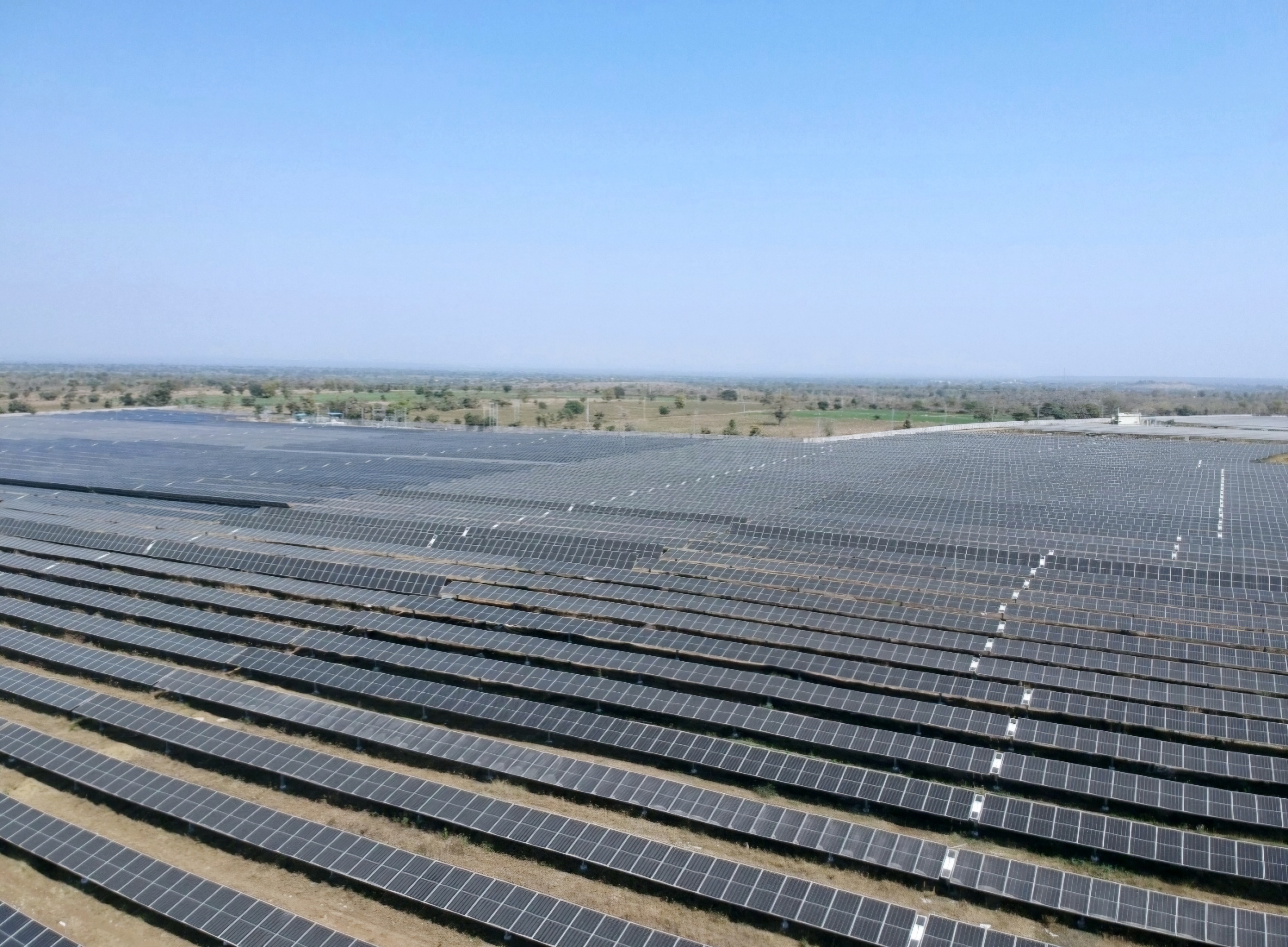
President Prabowo Subianto has committed Indonesia to develop 100 GW of solar power by 2029, part of a broader renewable energy strategy.
Why it matters: A massive new demand sink in Southeast Asia could finally end the era of ultra-cheap module dumping in European warehouses.
100 GW in five years? Let’s be real: Indonesia currently has less than 1 GW of installed solar. Jumping to 100 GW by 2029 isn't just ambitious; it's a logistical and financial hallucination. However, for a solar professional in Berlin or Utrecht, this isn't about Indonesian decarbonization—it’s about global module inventory and where the next wave of Tier 1 capacity is headed.
The Supply Chain Pressure Valve
If President Prabowo Subianto even gets 20% of the way to this goal, we are talking about 20 GW of demand suddenly appearing in a region previously ignored by major EPCs. For European installers, this is a double-edged sword. Massive projects in Southeast Asia provide a "sink" for the Tier 1 module oversupply from giants like Jinko Solar and Trina Solar. If this plan gains even marginal traction, it could finally put a floor under the record-low prices we’ve seen in Rotterdam warehouses—currently hovering around €0.10-0.12/Wp for high-efficiency monofacial modules.
The Local Content Trap
The real story isn't the headline number; it's the Local Content Requirements (LCR). Historically, Indonesia has strangled its own market by demanding that PV projects use locally manufactured components that simply don't exist at scale. If the new administration waives these rules to hit the 2029 target, expect a massive pivot of Chinese capital and European development expertise (think Scatec or BayWa r.e.) away from the increasingly litigious and grid-congested EU markets toward Jakarta.