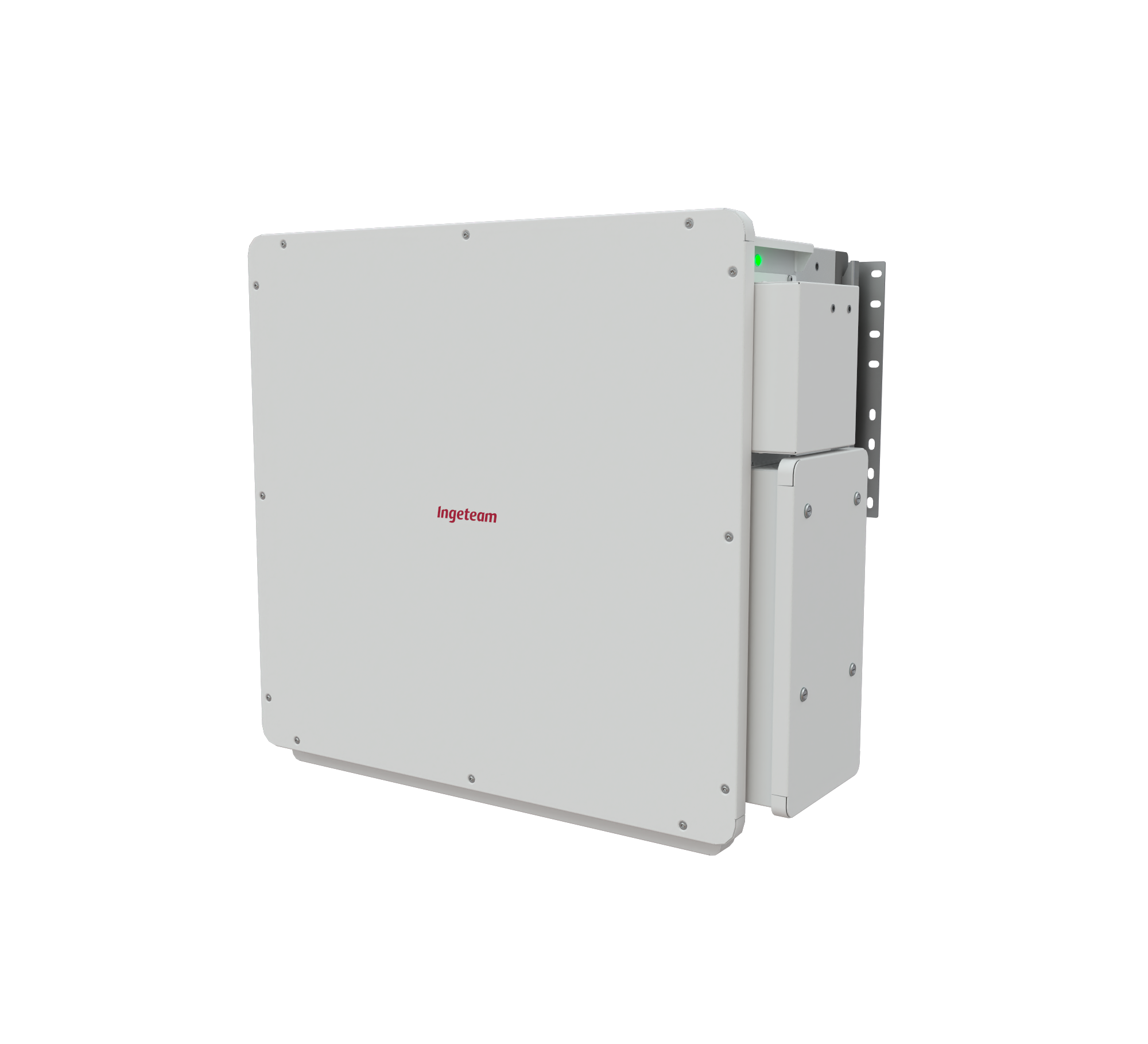
El nuevo producto puede alcanzar una eficiencia máxima del 99,05% y una eficiencia europea del 98,60%.
Why it matters: If you’re still spec-ing central inverters for 50MW+ projects, you’re baking massive O&M liabilities into your project’s long-term LCOE.
Ingeteam isn't just releasing a piece of hardware; they are leaning into the 'Virtual Central' philosophy that is currently dismantling the traditional utility-scale playbook. For a decade, the industry was split: Central inverters won on CAPEX, while string inverters won on uptime. With this new high-density unit, Ingeteam is effectively telling developers that the CAPEX argument for centrals is dead.
The O&M Arbitrage
The real story isn't the 98.60% European efficiency—that’s just the table stakes to sit at the Tier-1 table. The real story is the Mean Time To Repair (MTTR). When a 3.5MW central inverter fails during a 40°C heatwave in Extremadura, you are at the mercy of the manufacturer's field technician schedule. You lose thousands of Euros in yield every day that block stays dark. With a 'stacked' string configuration, your local O&M team swaps a single 300kW+ unit and you’re back to 90% capacity before lunch. That risk mitigation is worth more than a few basis points of peak efficiency.
The Logistics of 'Stacked' Mounting
By optimizing for stacked configurations, Ingeteam is solving the footprint problem that usually makes string inverters a headache for EPCs. You get the granularity of string monitoring—crucial for identifying underperforming modules in aging plants—without the massive DC cabling overhead typically associated with decentralized layouts. It’s the sweet spot between the ease of a central station and the resilience of a string fleet.
For European developers, there is also the sovereignty angle. As the EU’s Net-Zero Industry Act pushes for local content and supply chain security, having a powerhouse like Ingeteam (headquartered in Navarra, Spain) in your BOM isn't just a technical choice—it's a hedge against future trade friction and data security mandates that are beginning to circle around Chinese competitors like Huawei and Sungrow.