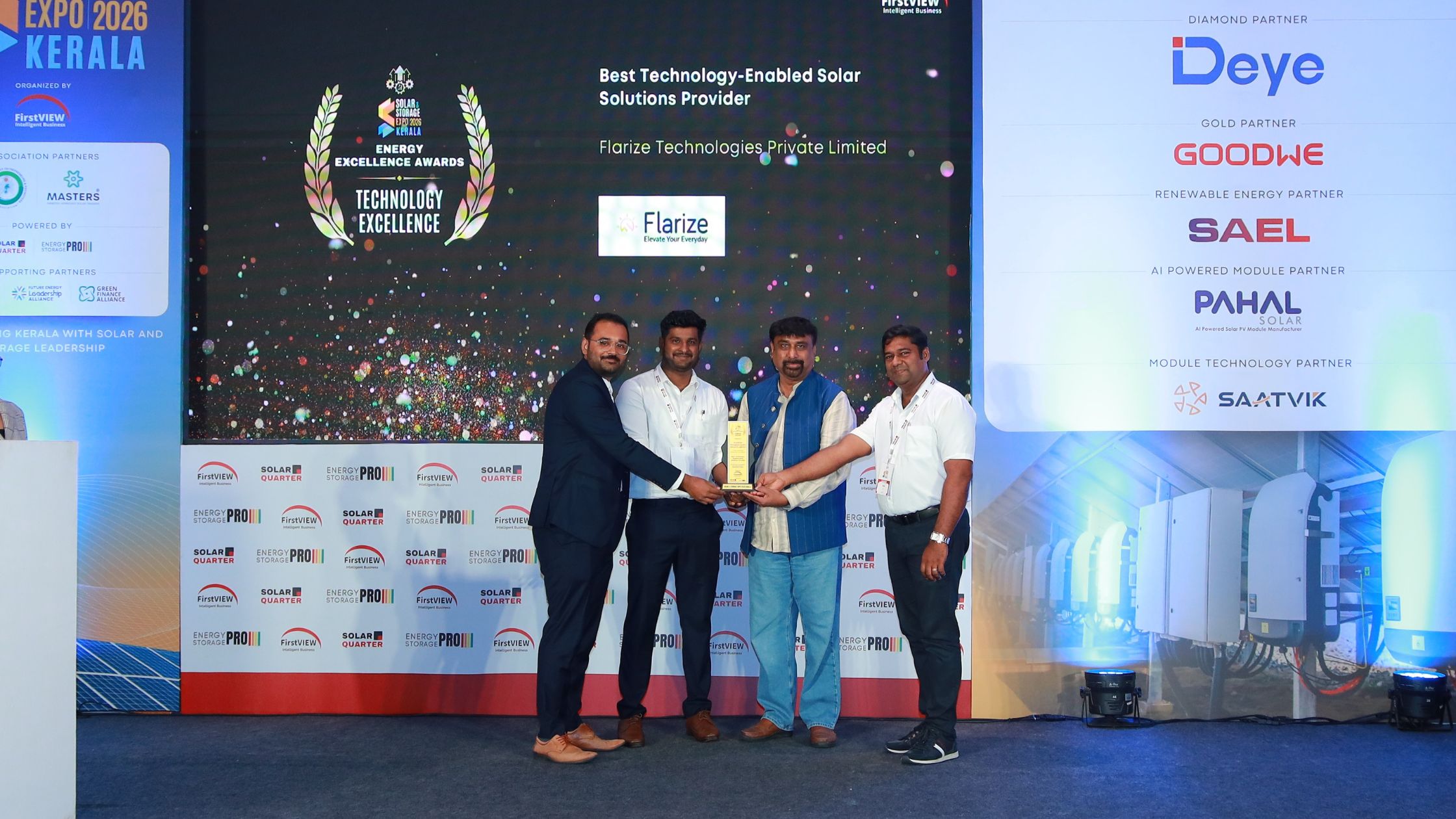
This platform simplifies the solar installation process by connecting customers with certified installers and ensuring transparency and support throughout, as emphasized by CEO Mr. Harikrishnan K.R.
Why it matters: The 'Uber for Solar' model is failing; your next growth phase depends on hyperlocal trust and technical validation, not generic lead-gen volume.
Industry awards are usually nothing more than expensive trophies for the mantle, but the recognition of Flarize Technologies for its "hyperlocal" solar platform signals a shift that European installers ignore at their peril. While the news hails from Kerala, the underlying pain point is universal: the traditional lead-generation model is broken. In markets like Germany and the Netherlands, customer acquisition costs (CAC) have spiraled to over €1,500 per residential system, largely because installers are buying lukewarm, non-validated leads from national aggregators who don't know a PPA from a PVC pipe.
The Death of the 'Uber for Solar' Model
For years, the industry narrative was dominated by the "Uber-ization" of solar—massive platforms like Otovo or Zolar attempting to commoditize installations. However, as we've seen with recent margin compressions across the EU, the "one-size-fits-all" digital approach fails when it hits the reality of local grid constraints and varying DSO (Distribution System Operator) requirements. Flarize’s success suggests that the future isn't a national algorithm, but a hyperlocal matchmaker that understands regional nuances—whether that's the specific permit hurdles in Bavaria or the roof-load restrictions in historic Italian city centers.
Why Hyperlocal Beats Global Every Time
If you are a mid-sized installer in Europe, stop competing for the same junk leads on national bidding sites. The winning move is to either build or join a regional consortium that mirrors this hyperlocal approach. When the RED III directive fully kicks in and local energy communities become the norm, the platform that knows the neighborhood will always out-earn the platform that only knows the SEO keywords.