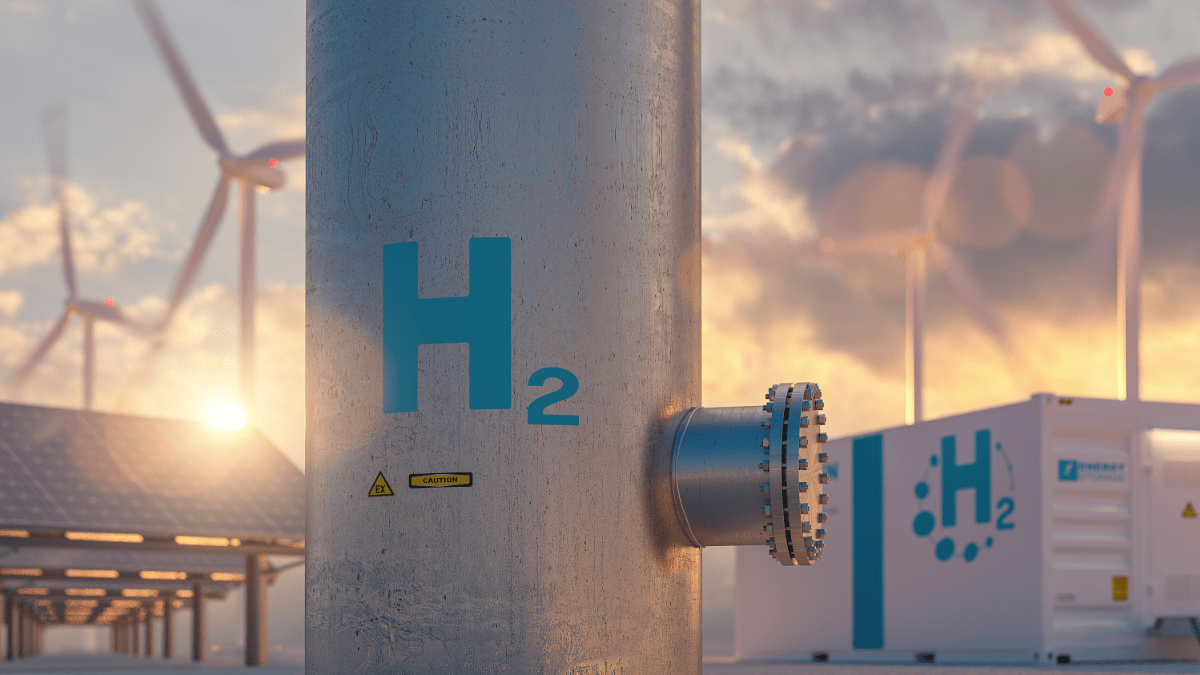
The Nordic Investment Bank has approved a EUR 55.5 million financing package for the Port of Klaipėda’s infrastructure modernization, which includes Lithuania's first green hydrogen production hub.
Why it matters: Port-side hydrogen hubs create massive, localized demand for renewables; if you aren't positioning your pipeline near these industrial nodes, you're missing the most stable off-takers in the market.
When the Nordic Investment Bank (NIB) opens its checkbook for a €55.5 million package, it’s not just financing infrastructure; it’s signaling that green hydrogen has officially crossed the rubicon from "experimental pilot" to "bankable asset" in the Baltics. For solar developers in Lithuania, Poland, and even the Nordics, this is a loud signal to stop obsessing over residential rooftops and start mapping out utility-scale colocation near maritime hubs.
The Port as a Power Plant
Ports are no longer just places where ships dock; they are becoming the primary energy sinks of the 21st century. The Port of Klaipėda’s move into green hydrogen is a direct response to the EU’s Alternative Fuels Infrastructure Regulation (AFIR), which mandates onshore power supply and greener fuels. If you’re a developer, you need to realize that an electrolyzer at a port is the ultimate "sticky" off-taker. While a corporate PPA with a tech firm might look good on paper, a port-side hydrogen hub is a critical piece of national infrastructure that isn't going anywhere for 30 years.
The Grid Congestion Play
Let’s talk about the math. A green hydrogen hub of this scale requires massive, consistent input. In Lithuania, where the grid is already bracing for an influx of offshore wind, solar installers who can offer hybrid PV+BESS solutions to stabilize the local distribution network around Klaipėda will have a massive advantage. We’ve seen this pattern in Rotterdam and Hamburg: the first movers who secure land and permits within a 20km radius of these hydrogen hubs become the gatekeepers for the energy transition.
The bottom line: If your project pipeline doesn't include a strategy for industrial clusters or port-side off-takers, you're chasing yesterday's margins. The real money in the next five years will come from serving high-energy-density nodes like Klaipėda, where the demand for MWhs is constant and the political will to connect you is high.