I still have hope that the failure rate will decrease.
Why it matters: Cheap modules with unproven BOMs are a ticking time bomb for your long-term O&M budgets and professional reputation.
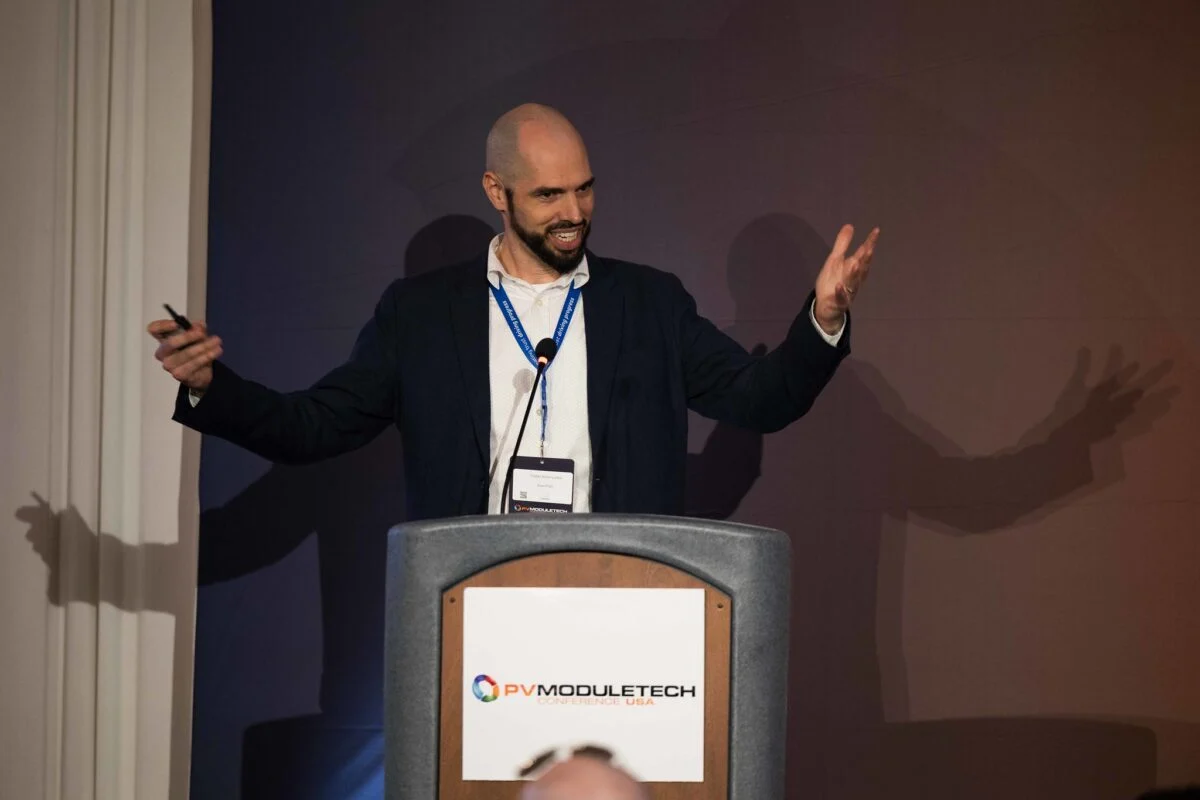
I still have hope that the failure rate will decrease.
When Tristan Erion-Lorico says he "hopes" failure rates will decrease, every EPC in Europe should be checking their indemnity insurance. We are currently living through a race to the bottom where module prices in Rotterdam have hit a staggering €0.10–€0.12/Wp. You don’t get those prices through manufacturing innovation alone; you get them by stripping the Bill of Materials (BOM) to the absolute bone.
The TOPCon Trap
The industry’s aggressive pivot to n-type TOPCon has introduced a specific vulnerability that the 2024 Scorecard highlights: UV-induced degradation (UVID). Unlike the PID issues we solved a decade ago, UVID is a silent killer for front-side passivation. If you're installing 600W+ bifacial modules on a tracker project in Spain or Southern France, the high albedo isn't just boosting your yield; it’s hammering the rear-side cells with UV radiation that many low-cost encapsulants aren't prepared to handle.
Delamination is the New PID
Many installers transitioned to glass-glass modules thinking they were buying a bulletproof 30-year asset. PVEL’s data suggests otherwise. We’re seeing a resurgence in delamination, often caused by poor-quality edge sealing or the use of cheap EVA instead of POE (Polyolefin Elastomer) to save a few cents per square meter. In a damp climate like the Netherlands or coastal UK, a microscopic failure in that seal leads to moisture ingress, grid line corrosion, and a dead string by year five.