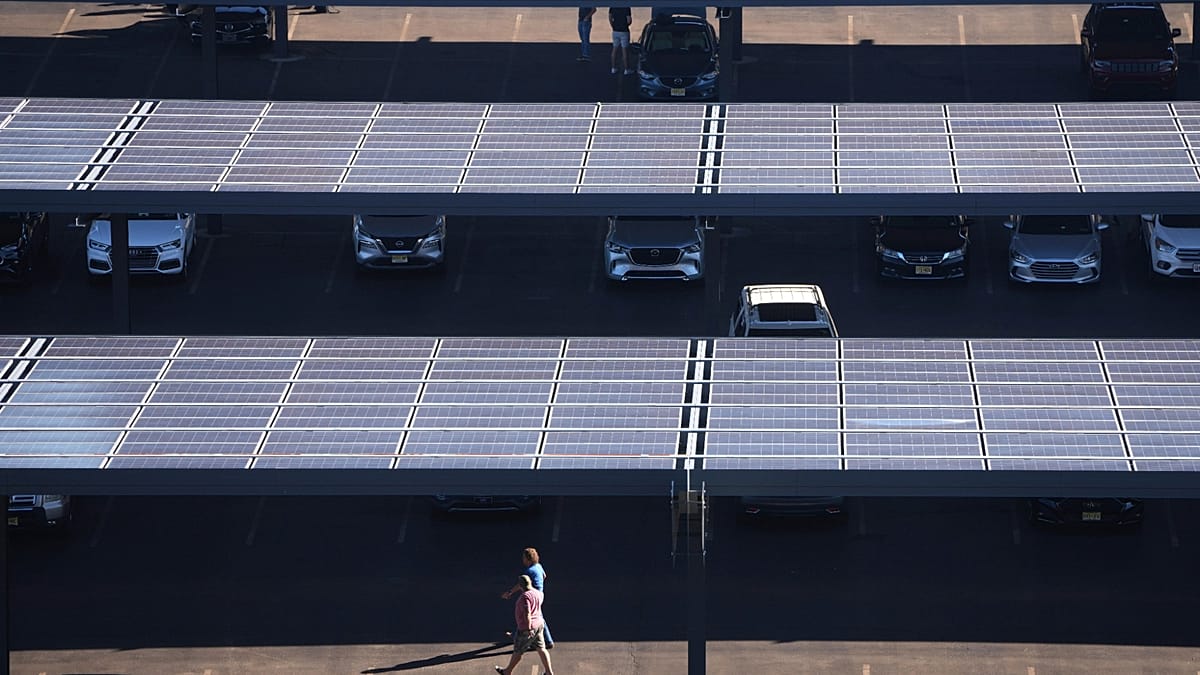
Investing in renewables has also ensured greater energy security at a moment when the war on Iran is destabilising supplies and forcing up costs.
Why it matters: Geopolitical instability has turned solar into a security asset; stop selling 'green' and start selling 'independence' to protect your margins.
The Geopolitical Premium is the New ROI
For years, we’ve sold solar on 'payback periods' and 'carbon footprints.' That era is dead. When the EU avoids €51 billion in fossil imports, it’s not just a macroeconomic win; it’s a fundamental shift in the buyer’s psychology. If you're an installer in Germany or Poland still talking about 20-year internal rates of return (IRR), you’re missing the forest for the trees. Your clients aren't buying modules; they are buying a hedge against the Strait of Hormuz closing.
Stop Chasing the Bottom, Start Selling Resilience
We’ve seen this pattern before during the 2022 gas crisis. The installers who thrived weren't the ones offering the cheapest Jinko or LONGi panels; they were the ones who could guarantee a commissioned system before winter. With the RED III directive pushing for a 42.5% renewable share by 2030, the legislative tailwinds are there, but the market is becoming bifurcated. On one side, you have the race-to-the-bottom residential market plagued by inventory gluts. On the other, you have the high-margin 'Energy Sovereignty' package.
The Strategy for 2025
If solar is 'leading the way,' why are margins compressing? Because we’re oversupplied with hardware but undersupplied with integration. To capture a slice of that €51 billion 'saved' value, your proposals must include:
The €51 billion figure proves the tech works. Now, the business challenge is moving from being a 'solar guy' to an 'energy security partner.' If you can't explain how a PV system mitigates the risk of a €200/MWh price spike, you’re just a roofer with a toolbox.