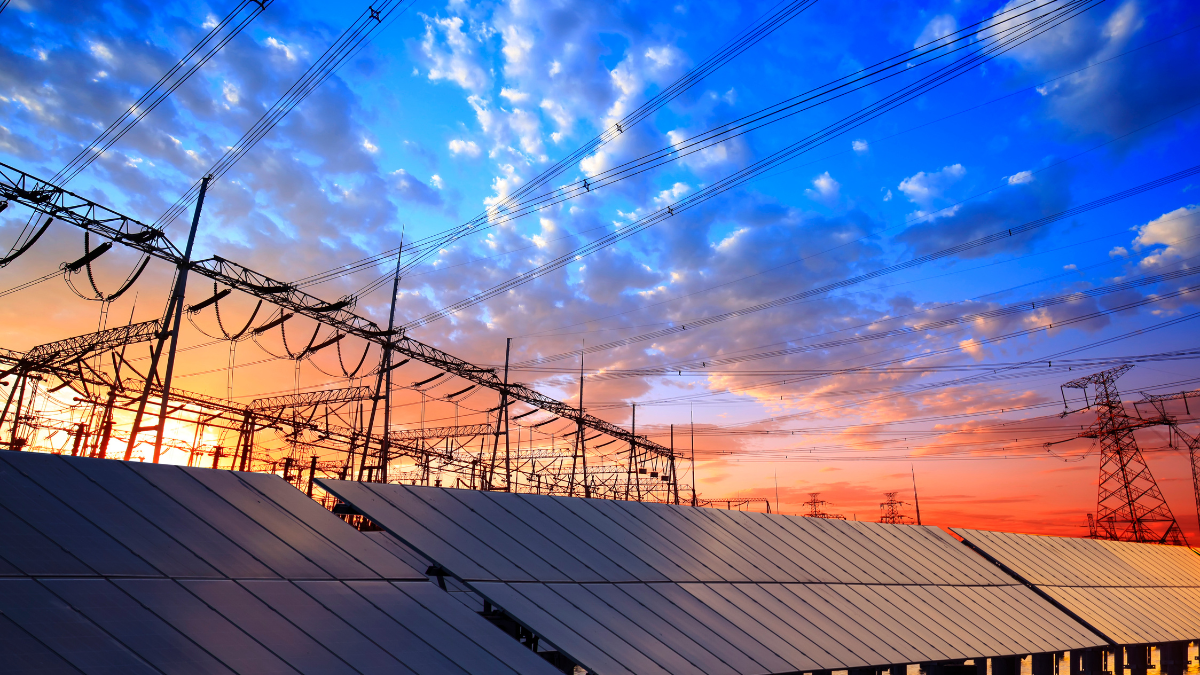
NLC India Limited, through NLC India Renewables Limited, has formed a joint venture with NCRTC named NIRL NCRTC Renewables Limited, focusing on grid-connected solar photovoltaic power projects.
Why it matters: Stop hunting for greenfield sites and start courting transport infrastructure owners; it is the most effective way to bypass Europe’s grid-connection queue and land-use battles.
While European developers are busy wrestling with NIMBYs and agricultural lobbyists over every hectare of sun-drenched pasture, India is doubling down on a much more logical marriage: power generation and transport infrastructure. This JV between NLC and the National Capital Region Transport Corporation (NCRTC) isn't just another boring state-backed project; it's a blueprint for bypassing the two biggest headaches in solar: land scarcity and grid congestion.
The Infrastructure Shortcut
In Germany, Deutsche Bahn is already the country’s largest green electricity consumer, but they are still heavily reliant on external PPAs. The Indian model of a 74/26 JV between a power producer and a transport authority is a strategic masterstroke. Why? Because transport corridors come with two things every developer would kill for: Right of Way (RoW) and high-voltage proximity.
Think about the cost of a 10km trench for a grid connection in the Netherlands or Belgium. Now imagine building that same capacity along a rail line where the infrastructure already exists and the "land" is already industrialized. We’ve seen this pattern before with the rise of floating PV on reservoirs—it’s about finding the path of least resistance for permitting. If you’re a developer in France or Spain, your next 50MW project shouldn't be in a field; it should be on the embankments of the TGV or AVE networks.
If you aren't talking to your national rail operator about a JV similar to what NLC has built, you're leaving the easiest megawatts on the table. The future of utility-scale PV isn't on the farm; it's on the tracks.