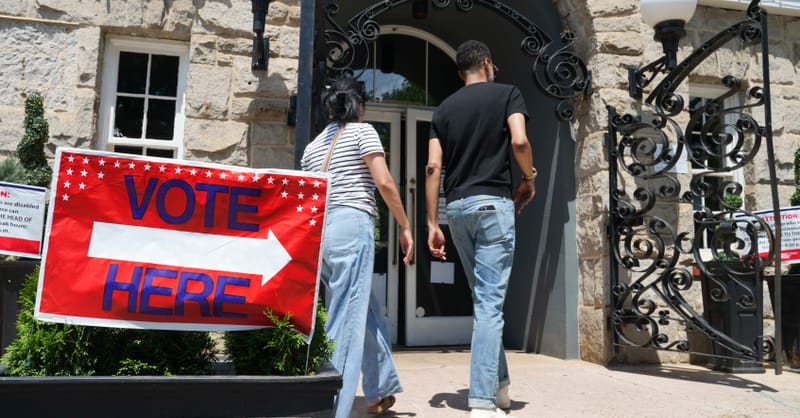
The 2026 election season is officially upon us, and with electricity prices on the rise, energy affordability is sure to factor into thousands of campaigns currently underway across the country.
Why it matters: Regulatory stability is a luxury, not a right; if utility oversight becomes populist, your 20-year ROI projections aren't worth the paper they're printed on.
The Populist Pivot: When Ratepayers Become Voters
In Europe, we generally view energy regulation as a technocratic exercise handled by civil servants in Brussels or Bonn. We argue over RED III implementation or BNetzA grid fee structures, but we rarely see a political candidate running on a platform of 'smashing the solar lobby.' That’s exactly what’s happening across the Atlantic, and if you think that political contagion won’t cross the pond, you haven't been paying attention to the rising anger over electricity prices in the EU.
When utility regulators are elected rather than appointed, the nuance of grid stability and long-term decarbonization gets sacrificed for the 30-second soundbite about 'lowering your bill today.' For a solar installer in the Netherlands or Spain, this is the ultimate nightmare scenario. Why? Because the easiest way to lower bills for the 80% of people without solar is to slash the export remuneration for the 20% who do have it. We saw a version of this with the California NEM 3.0 disaster, which gutted the residential market by nearly 80% in some segments. That decision was made by an appointed commission; imagine the carnage when commissioners have to survive a popular vote during an inflation crisis.
The Risk to Your Pipeline
The ROI of your next C&I project isn't just a function of LCOE; it's a function of regulatory shelf-life. We are entering an era where the 'social contract' of solar—where early adopters are incentivized to help the grid—is being rewritten as a 'subsidy for the wealthy.' If you are selling systems based on 20-year payback models without accounting for 'populist regulatory risk,' you are mispricing your deals. Watch these US elections not because of the candidates, but because they represent the first time the utility-vs-DG war has become a literal ballot box issue. When energy becomes a culture war, the logic of the spreadsheet dies.