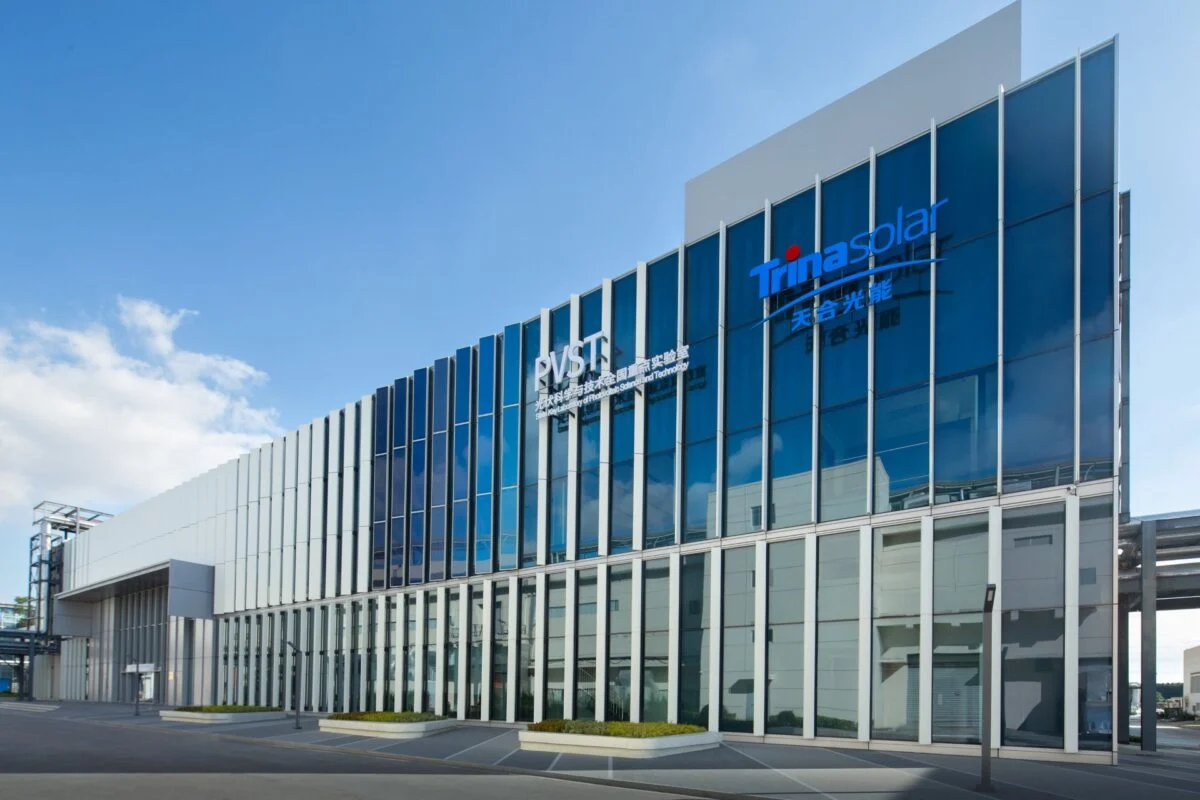
Trina's THBC - which combines TOPCon, HJT and BC - aims to leverage existing TOPCon capacity and increase the efficiency of C-Si single-junction cells.
Why it matters: Trina is trying to keep your favorite module format relevant by stuffing it with BC tech, potentially offering Aiko-level performance without the pure-play BC price premium.
The solar industry is currently locked in a high-stakes game of 'Technology Chicken.' On one side, you have LONGi and Aiko betting the entire farm on pure-play Back Contact (BC) architectures. On the other, the TOPCon establishment is trying to figure out how to squeeze more juice out of existing lines without writing off billions in recently commissioned equipment. Trina’s announcement of THBC (TOPCon-HJT-Back Contact) is the ultimate hedge.
The Brownfield Upgrade Gamble
Let’s be clear: Trina isn't doing this because they love complexity; they’re doing it because they have massive TOPCon capacity that is barely two years old. Scrapping those lines for a pure BC play would be financial suicide. By attempting to layer BC architecture onto a TOPCon base, Trina is looking for a 'brownfield' upgrade path. For an installer in Germany or the Benelux, this is a signal that the 450Wp-460Wp residential module isn't the ceiling—Trina is aiming for that 26%+ cell efficiency sweet spot to compete with Aiko’s Neostar series without the astronomical price tag of pure HJT.
The 'Frankenstein' Risk
We’ve seen this before. When you combine three distinct manufacturing processes—TOPCon’s passivated contacts, HJT’s thin films, and the structural complexity of Back Contact—you are exponentially increasing the number of things that can go wrong in the laminator. I’ve seen early 'hybrid' batches from other Tier 1s suffer from micro-cracking issues because the thermal expansion coefficients don't play nice. If you’re quoting these for a 25-year PPA in a high-wind region like coastal Spain or the North Sea, you better demand the extended EL (electroluminescence) test reports.
The Margin Play
Standard TOPCon is already becoming a commodity with razor-thin margins. Trina needs THBC to justify a premium price point in the European residential market, where 'all-black' aesthetics and high efficiency are the only ways to escape the price-per-watt race to the bottom. If they can deliver 470W in a standard format with these cells, they’ll reclaim the high-end C&I ground they’ve been losing to boutique high-efficiency brands.