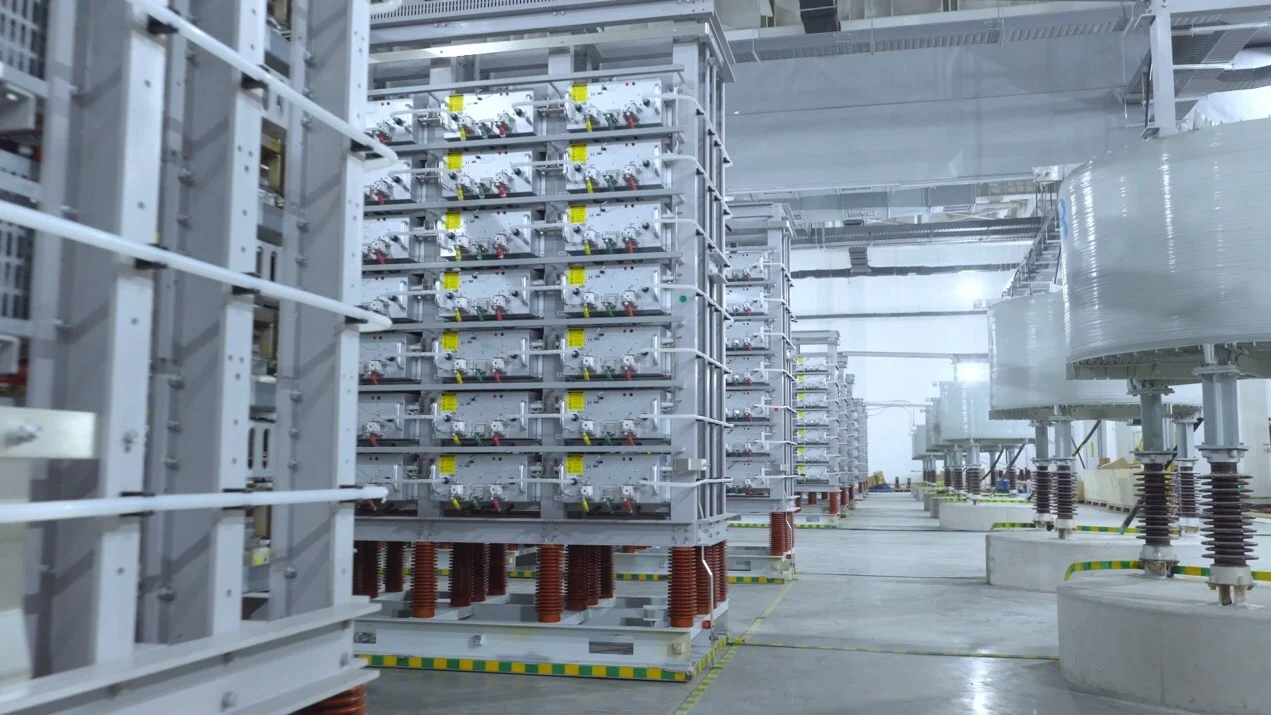
CATL has opened what it describes as the “world's largest and most comprehensive testing and validation platform for energy storage systems” at its headquarters in Ningde, China.
Why it matters: Your next big BESS project just got easier to finance if you use CATL, but harder to justify if you're trying to save pennies on unproven Tier 2 hardware.
Don’t get distracted by the “world’s largest” headline. This isn’t just a PR flex from Ningde; it’s a strategic moat aimed directly at the European project finance market. For years, installers have balanced the premium cost of CATL cells against cheaper alternatives from Tier 2 players. By centralizing massive-scale testing, CATL is making a play for data dominance that their competitors simply cannot afford to replicate.
The Bankability Gap Just Widened
If you’re a developer in Germany or the Netherlands pitching a 10MWh+ project, your biggest hurdle isn’t the engineering—it’s the bank. Lenders are becoming increasingly allergic to technical risk as the market matures. When CATL can show 15,000-cycle validation data from a facility of this scale, it’s not just a brochure spec anymore; it’s an insurance policy. For an EPC, this means your Levelized Cost of Storage (LCOS) calculations actually hold water when you're negotiating debt terms.
The EU Battery Passport Shadow
We are moving toward the full implementation of EU Regulation 2023/1542, which will demand rigorous carbon footprint and performance tracking. CATL’s move to house everything from grid-scale simulation to component-level failure analysis in one Ningde hub allows them to pre-certify their EnerD and EnerX systems against these looming standards. While smaller manufacturers are still struggling with basic thermal management consistency, CATL is essentially writing the test that everyone else will eventually have to take.