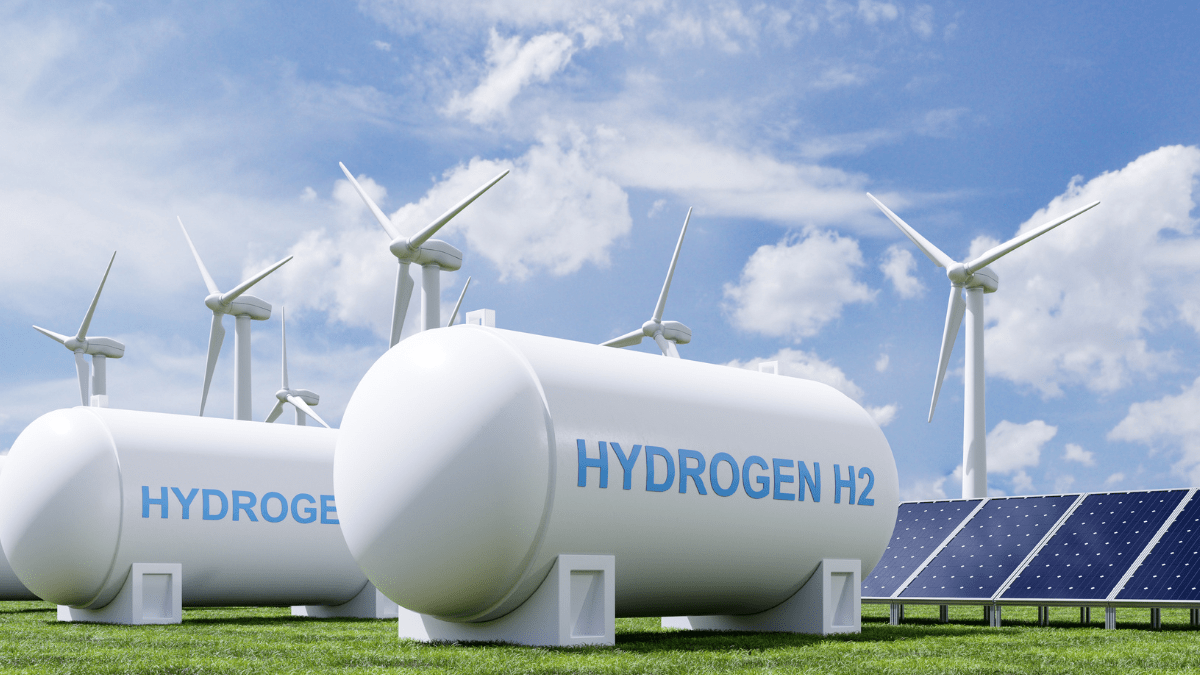
European Energy has received up to EUR 228 million from the German government's hydrogen auction program, aimed at enhancing renewable hydrogen production. This funding will support a 150 MW capacity expansion in Denmark, contributing to Europe's clean energy goals.
Why it matters: The era of 'solar-only' development is ending; H2 is becoming the ultimate hedge against grid curtailment and midday price cannibalization.
The Great German Subsidy Export
There is a delicious irony in the German government handing European Energy a €228 million check to build infrastructure in Denmark while domestic German solar developers fight for scraps in local tenders. This isn't a policy blunder; it’s a strategic admission. Berlin has realized that its own grid is too congested and its planning cycles too glacial to meet industrial hydrogen targets. By leveraging this auction mechanism, they are effectively outsourcing the headache of grid-connection and land-use to the Danes.
The 150MW Reality Check
For a developer, 150MW of electrolysis isn't just a 'hydrogen project.' It is a massive demand sink for roughly 300MW to 450MW of dedicated upstream wind and solar. Under the EU Delegated Acts on Additionality, you can't simply pull 'grey' power from the grid to claim the 'green' label. This means European Energy is building a closed-loop ecosystem that bypasses the merchant power price cannibalization we’re seeing during peak solar hours across the Nordics and Germany.
Follow the Molecules, Not the Electrons
If you are still developing 20MW solar parks in Northern Europe and praying for a lucrative PPA, you are playing a 2018 game. The smart money is moving toward 'Power-to-X' because it solves the two biggest headaches in the EU solar market: negative pricing and curtailment. When the grid says 'no' because of oversupply, the electrolyzer says 'yes.' At €228M for 150MW, the subsidy covers a massive chunk of the CAPEX gap that has kept green H2 in 'pilot phase' limbo. We’re moving from a market of selling electrons to a market of selling molecules, and the margins in the latter are looking far more resilient.