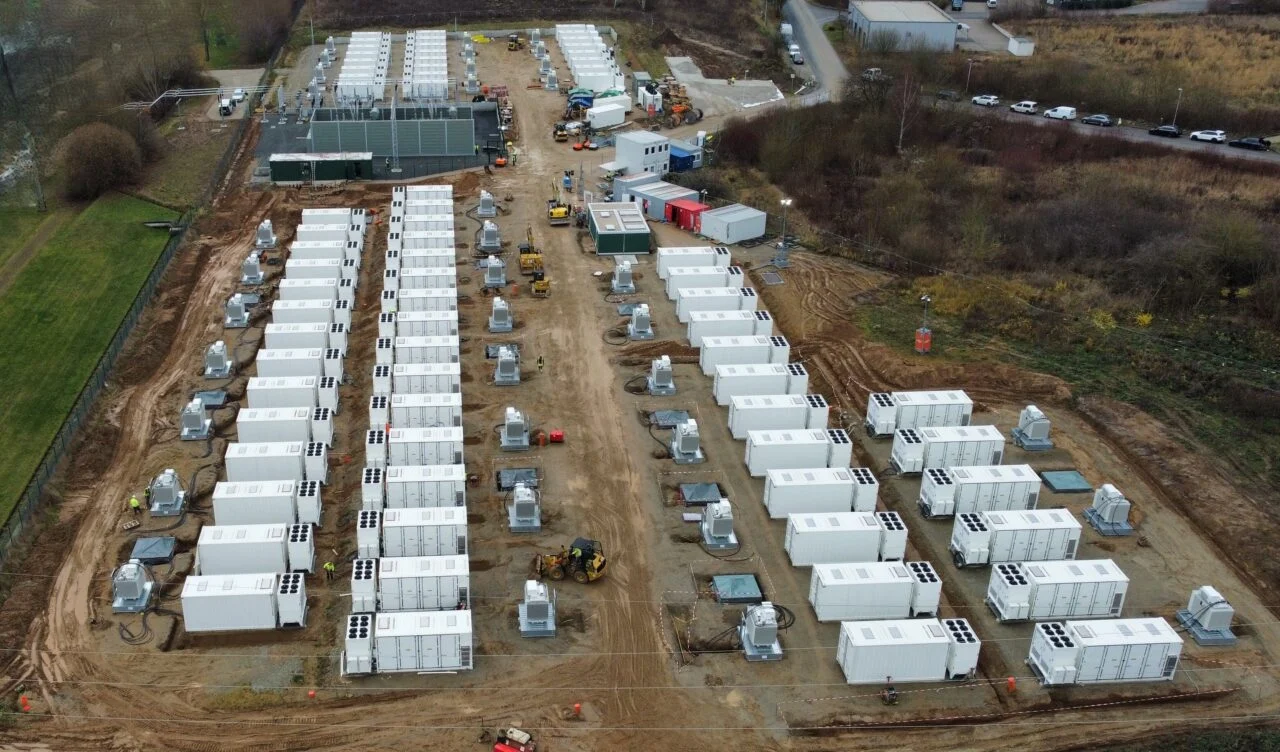
Germany: Level playing field for storage vs conventional generation is major challenge, says developer Kyon.
Why it matters: If you aren't factoring the potential loss of grid fee exemptions into your 10-year C&I storage ROI, you're lying to your customers and yourself.
When Kyon Energy—now backed by the deep pockets of TotalEnergies—complains about a level playing field, they aren't just whining about bureaucracy. They are highlighting the fundamental disconnect between Germany’s 2030 climate goals and its archaic grid fee structure. For years, the German market has been a playground for residential storage, but the utility-scale and large-scale C&I segments are still being treated like a nuisance rather than the backbone of the grid.
The § 19 StromNEV Paradox
The core of the problem is the 'atypical grid usage' rule under § 19 StromNEV. In theory, this should reward storage for reducing peak loads. In practice, it creates a 'cliff edge' effect where a single hour of mismatched charging can destroy the entire business case for a 10MW project. If you're a developer pitching a storage solution to a medium-sized manufacturer in Baden-Württemberg, you're not just selling hardware; you're selling a legal gamble on how the BNetzA (Federal Network Agency) will interpret grid fee exemptions next year.
The 2026 Cliff
Current exemptions from double-charging grid fees are a temporary band-aid. The EnWG § 11e exemption for new storage systems is currently slated to expire, and the industry is staring down a 2026 deadline with zero clarity. We’ve seen this pattern before: the solar industry builds momentum, and then the regulatory floor drops out because the policy was designed for spinning turbines, not lithium-ion cells. A 100MW BESS project today faces interconnection costs and 'Baukostenzuschuss' (BKZ) fees that conventional gas peakers often sidestep through legacy grandfathering.