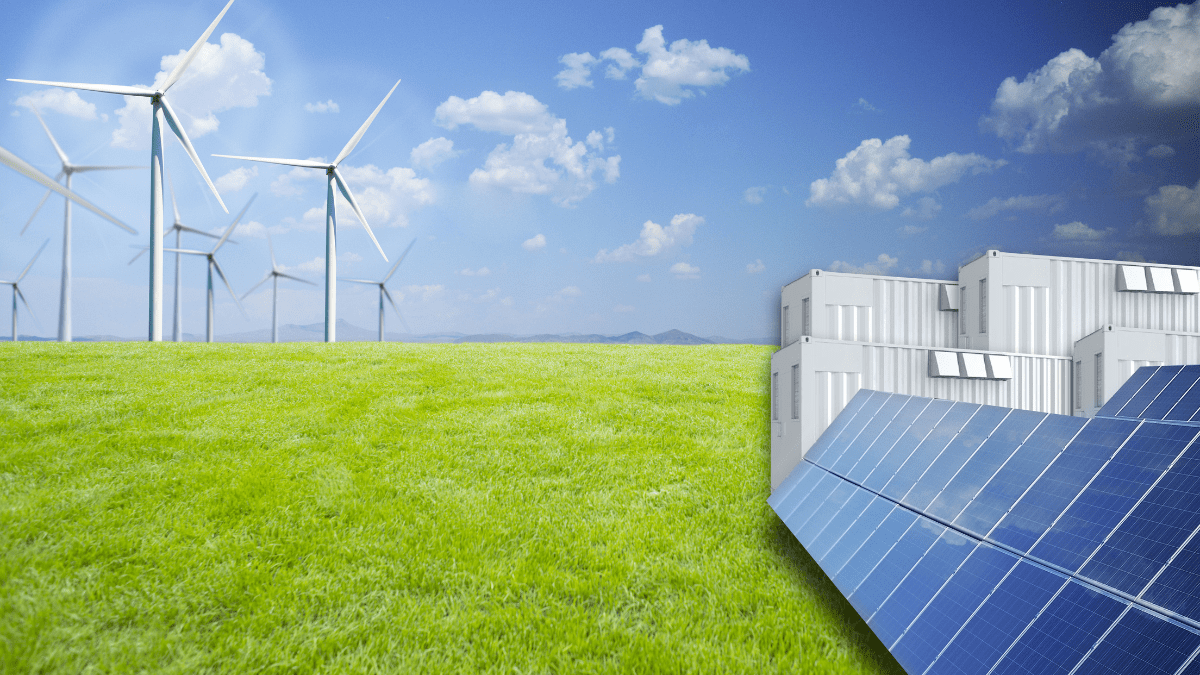
Greenply Industries Limited has launched its second renewable energy asset at its Vadodara plant, fulfilling nearly 80% of its electricity needs through clean energy.
Why it matters: Asian manufacturers are hitting RE targets that put European industrial laggards at a massive long-term cost and regulatory disadvantage.
The 'Green' Elephant in the Room
On the surface, a plywood plant in Vadodara hitting 80% renewable energy (RE) feels like a localized success story for the Indian C&I (Commercial & Industrial) sector. But for the European solar professional, this is a loud signal of a shifting competitive landscape. We are moving past the era where 'green manufacturing' was a luxury reserved for the DACH region or Scandinavia. When an Indian heavy manufacturer like Greenply achieves 80% clean power, they aren't just saving the planet; they are insulating their margins against global energy volatility and preparing for the EU’s Carbon Border Adjustment Mechanism (CBAM).
The 80% Ceiling is Where the Money Is
Any installer worth their salt knows that getting a factory to 20% solar penetration is easy—it’s just a rooftop lease and some Tier 1 panels. Getting to 80% is an engineering feat. It implies a sophisticated mix of on-site captive solar, likely some form of Open Access (wheeling power from a remote wind or solar farm), and potentially a BESS (Battery Energy Storage System) component to manage peak loads. For European developers, this is the benchmark. If your C&I clients in Poland or Italy are still hovering at 15% self-consumption, they are effectively falling behind their global peers who are aggressively de-risking their Opex.
The Practical Pitch for 2024
Stop selling 'sustainability' and start selling 'import parity.' When a company like Greenply lowers its carbon footprint, it makes their plywood more competitive in the European market under new ESG reporting standards. If you are pitching a 1MW+ system to a European manufacturer this quarter, use this: Industrial competitors in India and Vietnam are already hitting 80% RE. If the European site doesn't match that, their product will eventually carry a 'carbon tax' that their overseas rivals have already engineered away. The math is simple: decarbonize now or pay the tariff later.