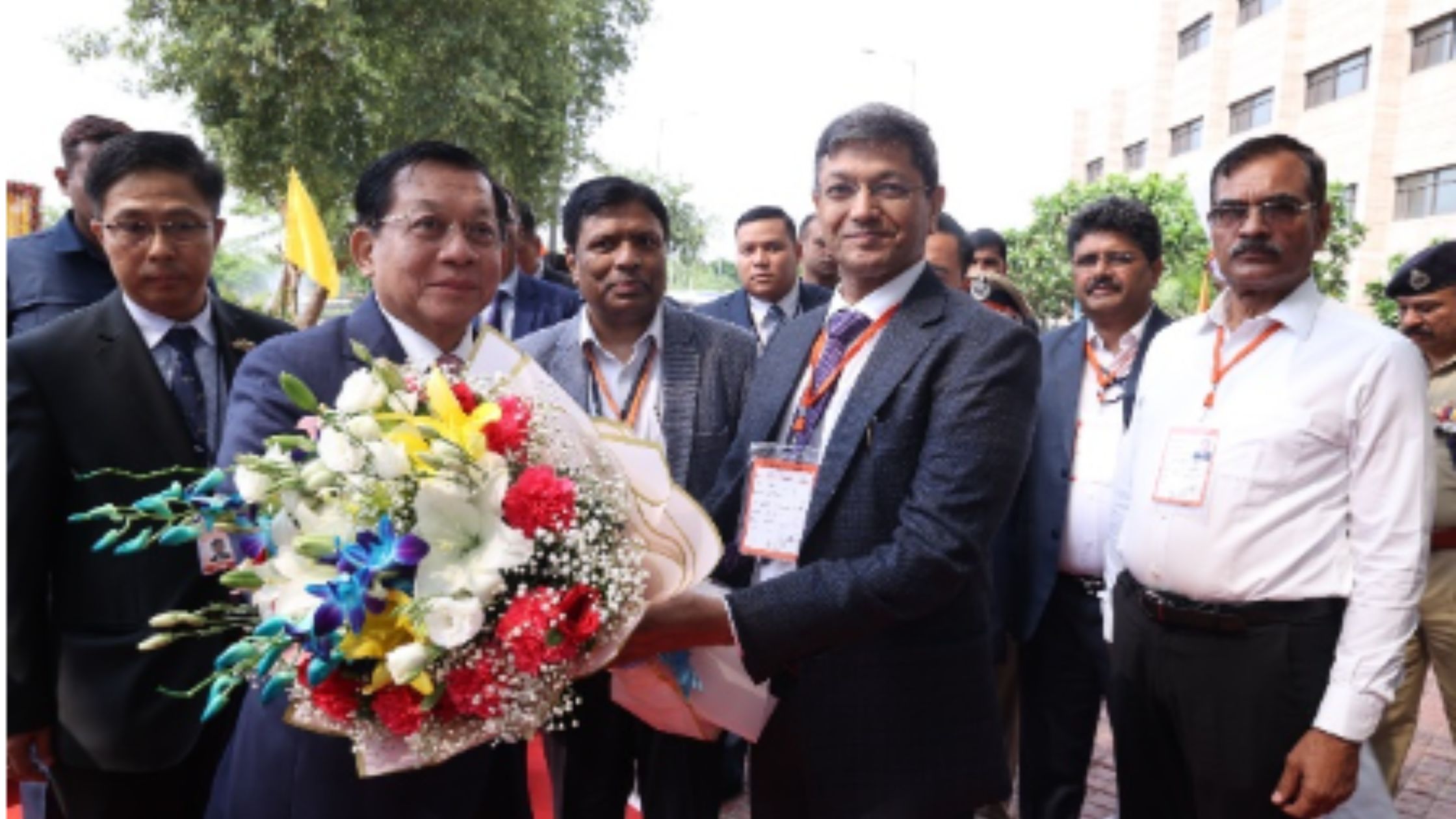
NTPC showcased its innovations, including a solar microgrid and energy storage systems. The visit aimed to enhance bilateral cooperation in sustainable energy, focusing on technology exchange and renewable deployments.
Why it matters: India is exporting complete microgrid ecosystems, not just panels—ignore their R&D and you'll miss the next wave of non-Chinese hardware alternatives.
The 'Global South' Laboratory
While European installers are busy arguing over Tier 1 module pricing and grid connection delays, India is quietly positioning itself as the R&D laboratory for the next phase of solar: autonomous microgrids. This visit from Myanmar to NTPC NETRA isn't just diplomatic fluff; it’s a customer looking at a blueprint that European developers should be studying as we move toward decentralized energy communities.
The Ruggedization Advantage
The NTPC Energy Technology Research Alliance (NETRA) is stress-testing integrated solar-plus-storage systems in conditions far more demanding than a sunny day in Bavaria. For an EPC in Portugal or the Netherlands, the takeaway is the hardware's resilience. If a microgrid system can manage the grid instability of Myanmar, it is inherently over-engineered for a remote industrial site in the Alps. This is a market signal: India is moving up the value chain from simple manufacturing to complex systems integration.
Why You Should Care About the EMS
The real 'war story' here is about the Energy Management System (EMS). In my experience, most BESS failures aren't the cells; they're the software failing to handle erratic loads. NETRA’s focus on microgrid logic is exactly what we need for the EU Directive 2018/2001 (RED II) energy communities. We are seeing a shift where India isn't just selling panels; they are exporting the 'brain' of the system. Stronger competition for European EMS providers is coming, and it won't be from the brands you're used to seeing at Intersolar.