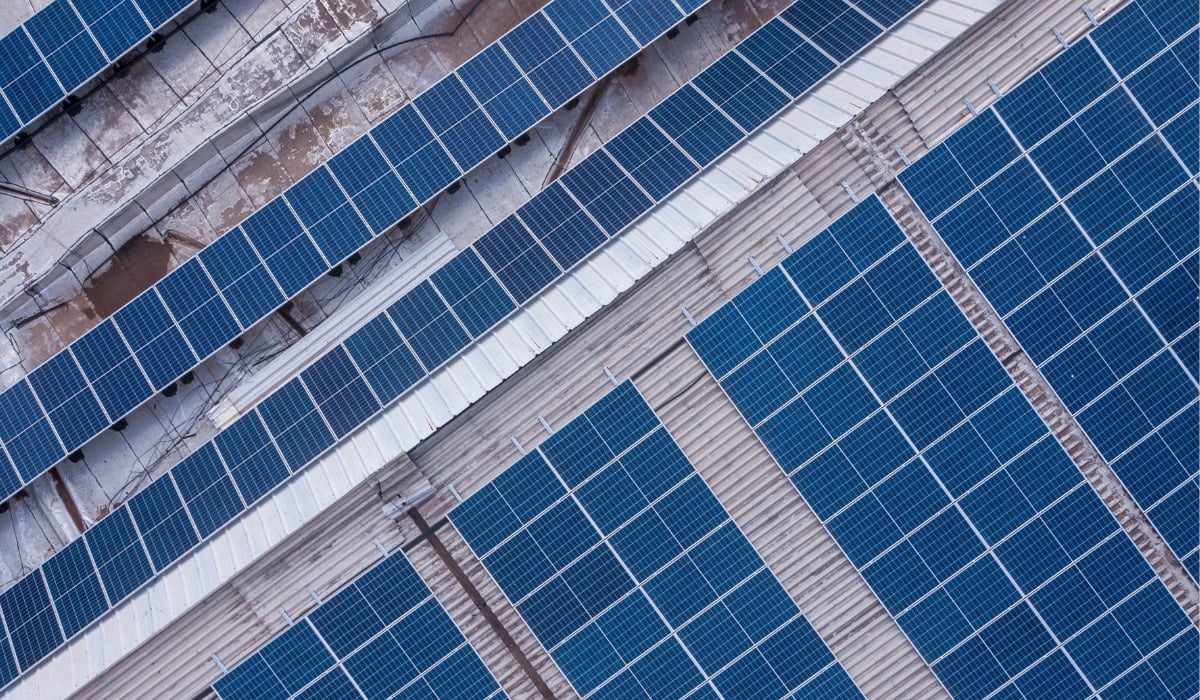
The Philippines has become the second-largest market for Chinese solar panel exports, likely to power a surge in its rooftop solar market
Why it matters: Global demand is diversifying; don't bank on China's oversupply keeping European module prices at record lows as new GW-scale markets emerge.
For the last 18 months, European EPCs and wholesalers have operated under a comfortable delusion: that China’s massive overcapacity would keep module prices in a permanent race to the bottom, ensuring €0.11/Wp pricing for as long as we needed it. The Philippines suddenly vaulting to the #2 spot for Chinese exports should shatter that complacency. This isn't just a local boom; it's a signal that the global 'venting' of Chinese inventory is finding high-margin homes outside of Rotterdam.
The Inventory Mirage
Many German and Dutch installers are sitting on inventory, waiting for the 'final' price floor before pulling the trigger on massive 2025 orders. But the Philippines market is driven by retail electricity rates that rival parts of the EU—often exceeding $0.18/kWh. When a market with that kind of ROI potential starts sucking up GW-scale shipments, the 'glut' that European buyers rely on for leverage starts to evaporate. If Jinko, LONGi, and Trina can find hungry buyers in Southeast Asia who don't haggle over the EU Net Zero Industry Act (NZIA) compliance paperwork, they will shift their allocations accordingly.
Watch the Transshipment Game
We’ve seen this pattern before. When the US or EU tightens trade barriers—like the upcoming Forced Labor Regulation (FLR)—inventory often flows to 'neutral' hubs. While the Philippines is building real capacity, savvy developers should ask if this surge represents a strategic stockpile for future 're-export' or a genuine shift in global demand. If 2GW of Tier 1 modules are moving to Manila, that’s 2GW that isn't sitting in a warehouse in Antwerp waiting for you to lowball the distributor.