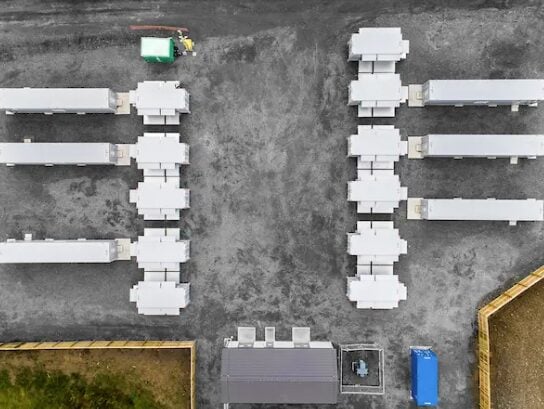
RES Australia's 2,400MWh Bunyip North BESS has cleared the federal environmental assessment process under Australia's EPBC Act.
Why it matters: Stop building 'toy' batteries; Australia’s shift to 2.4GWh scale is the blueprint for how storage will eventually cannibalize merchant solar margins in Europe.
The Industrialization of Arbitrage
While European developers are still patting themselves on the back for 50MW/100MWh projects in the UK or Germany, RES Australia just cleared the path for a 2.4GWh behemoth. This isn't just another battery; it's a grid-scale asset that fundamentally shifts the risk profile for every smaller player in the market. If you think Victoria is too far away to matter, look at your own pipeline. Australia is the 'canary in the coal mine' for high-penetration solar markets like Spain and the Netherlands.
The clearance under the EPBC Act is the regulatory hurdle that usually kills projects this size due to land-use friction. By clearing it, RES is signaling that the 'mega-BESS' is now a bankable reality. For a European EPC or developer, the lesson is clear: centralization is winning. We are moving away from fragmented, small-scale storage toward massive hubs that can dominate frequency control and ancillary services.
In Europe, the EU's Electricity Market Design (EMD) reform is pushing for more flexible capacity. If you aren't planning for BESS projects that can swallow the output of an entire provincial wind farm, you aren't building for the 2030s grid. Stop thinking in megawatts; start thinking in gigawatt-hours.