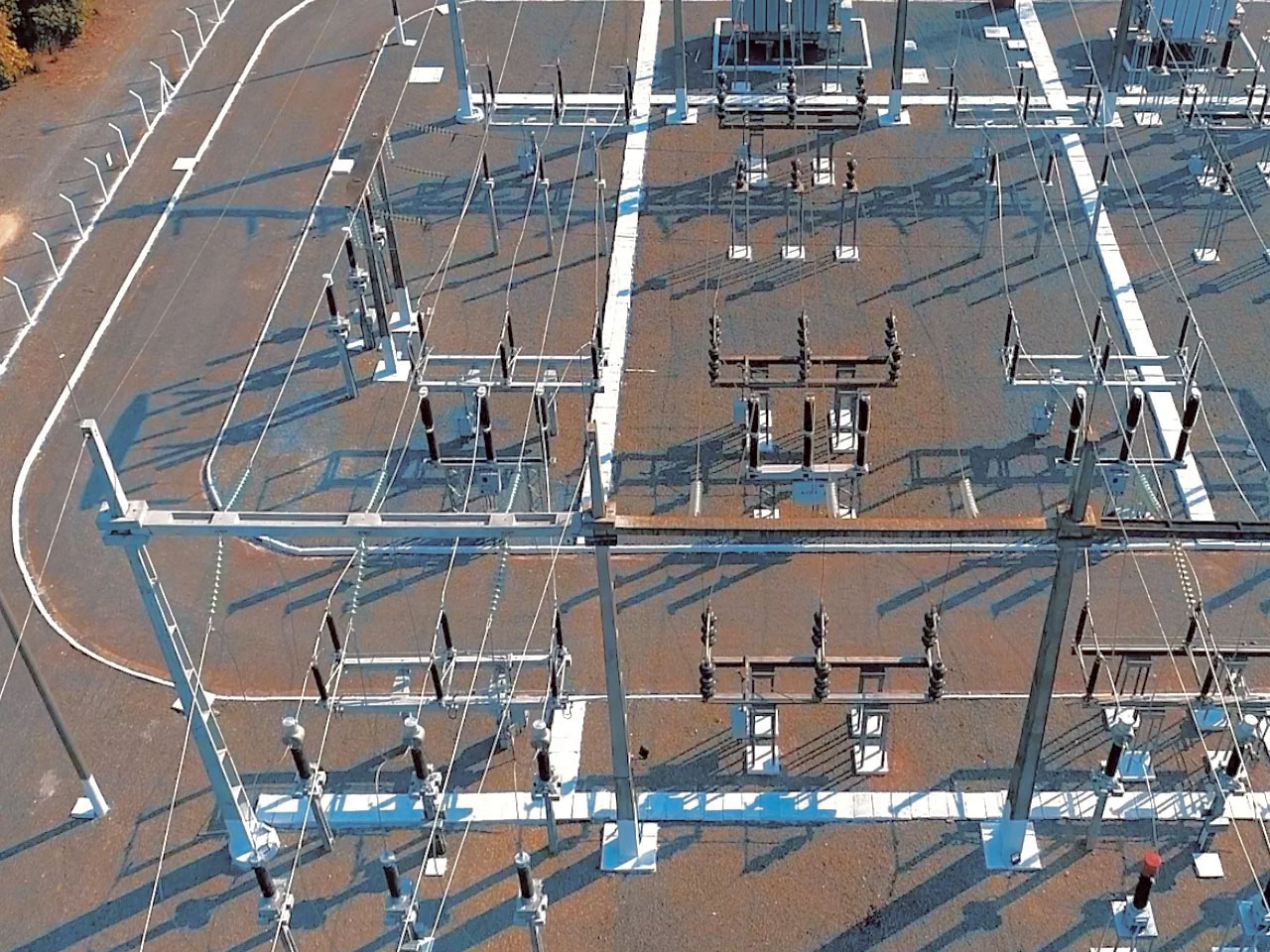
alrededor de 375 GW de proyectos renovables y 455 GW BESS valorados en unos 100.000 millones de euros permanecen a la espera de conexión en Europa.
Why it matters: The bottleneck has shifted from equipment supply to grid access; your project's value is now defined by its proximity to an open substation, not its yield.
We’ve spent a decade worrying about the cost of modules and the efficiency of inverters. We won that war. Now, we’re losing the peace because of copper and bureaucracy. The AFRY report confirms what every developer from Extremadura to Brandenburg knows: the 'Ready-to-Build' (RTB) status is becoming a mythological creature. When €100 billion is sitting in a waiting room, it’s not just a delay—it’s a massive drain on capital efficiency that will eventually kill off smaller IPPs.
The Phantom Pipeline
In Spain specifically, the €7 billion freeze is a direct result of a grid designed for the 20th century trying to digest 21st-century surges. We are seeing a 'phantom pipeline' where 455 GW of BESS is technically 'proposed,' but likely less than 15% has a realistic path to a substation within the next 36 months. If you are a developer buying project rights today, you aren't just buying land and permits; you are gambling on Red Eléctrica (REE) and their ability to fast-track the 2021-2026 Transmission Plan. Spoilers: they are behind schedule.
Survival Tactics for the Grid-Locked
The market signal here is clear: the era of 'easy solar' in Iberia is over. The next five years belong to the engineers who can navigate grid constraints and the financiers who have the stomach to wait for a transformer that might not arrive until 2027.