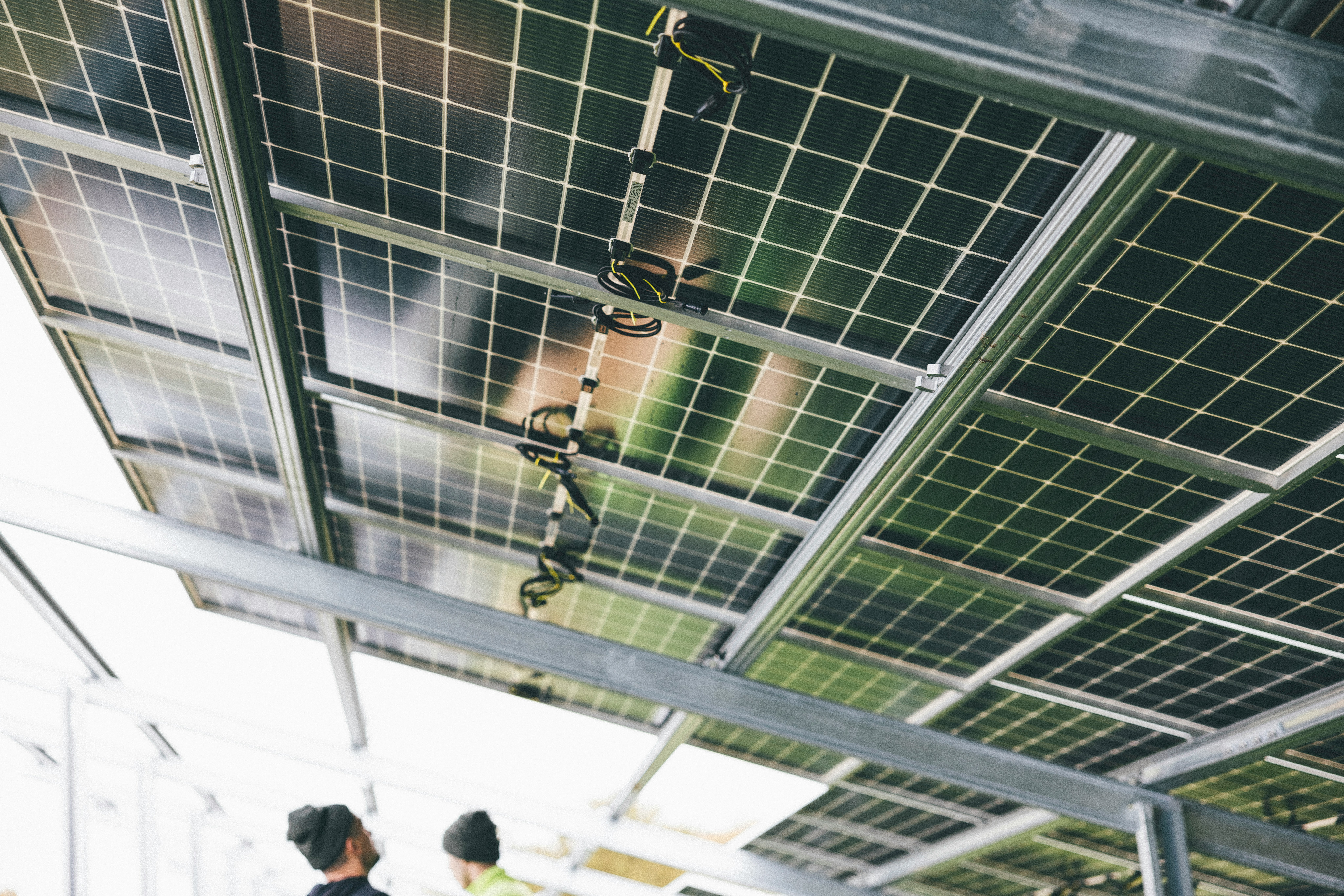
El contrato dispone de un presupuesto total de 671.145 euros, un plazo de ejecución de seis meses y un periodo de recepción de ofertas abierto hasta el 10 de junio.
Why it matters: Municipal tenders are shifting from 'cheapest panel' to 'intelligent storage'—master the BESS math or get sidelined in the Spanish C&I market.
If you’re still pitching pure PV to Spanish municipalities or C&I clients, you’re bringing a knife to a gunfight. This Vilafranca del Penedès tender for 200 kWp of solar paired with 320 kWh of storage isn't an outlier; it’s a market signal that the 'solar-only' era in Iberia is effectively over.
The Math of the 'New Normal'
At a total budget of €671,145, we’re looking at roughly €3,350 per kilowatt installed (including the 1.6:1 battery-to-PV ratio). For the seasoned installer, that price point should trigger a double-take. While hardware costs for Tier 1 modules and LFP batteries have cratered, the premium here reflects the complexity of municipal integration and the shift toward energy autonomy over simple grid injection.
Technological Survival of the Fittest
I’ve seen too many installers get burned by trying to DIY these larger storage setups with residential-grade logic. For a project like Vilafranca, you aren't just looking at panels; you’re looking at sophisticated EMS (Energy Management Systems). If you aren’t comfortable commissioning Huawei SUN2000 or Sungrow string inverters with high-voltage battery stacks, you’re going to lose these municipal contracts to firms that can guarantee zero-export compliance and peak-shaving performance.
The takeaway is clear: The Spanish market is maturing past the 'subsidy grab' phase into a sophisticated 'energy management' phase. If your sales team can't explain the LCOS (Levelized Cost of Storage) to a mayor or a CFO, your pipeline is about to dry up.