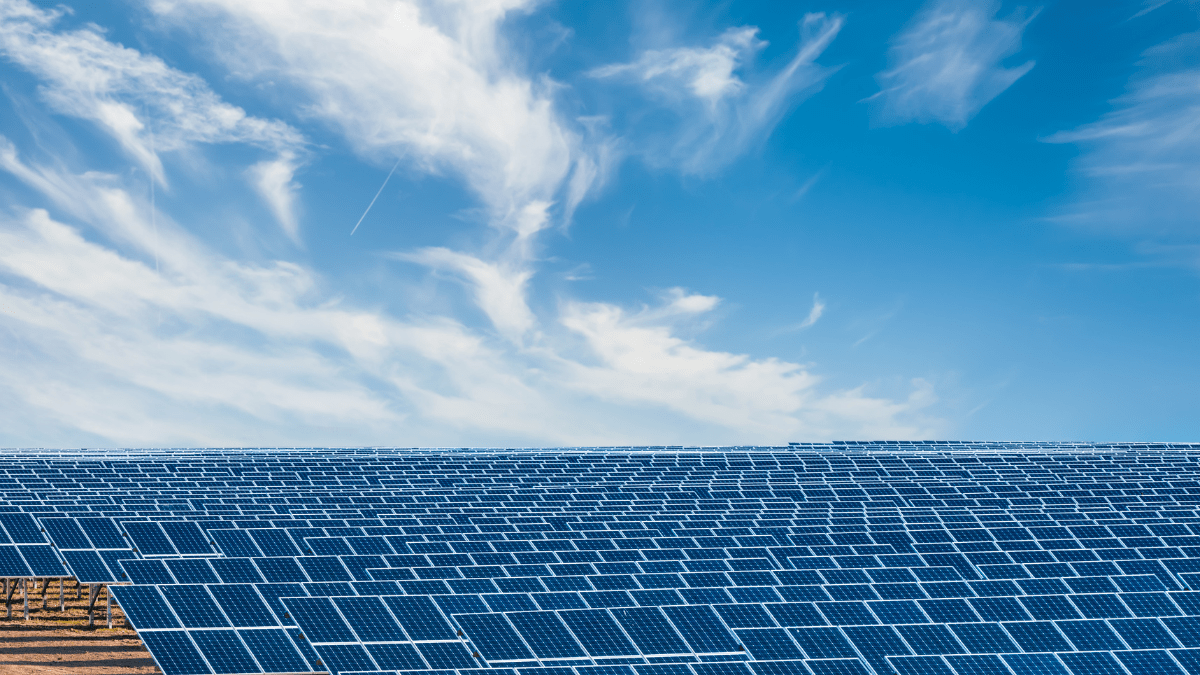
The project commenced operations on June 1, 2026, increasing AGEL’s total operational renewable energy capacity to 19,835.8 MW and further strengthening its presence in India’s rapidly expanding clean energy sector.
Why it matters: When Indian giants reach 20GW, they stop being customers and start being the gatekeepers of your global module supply chain.
While a 50 MW commissioning might look like a standard Tuesday for most European mid-cap developers, the context here is the 19.8 GW total operational capacity. Adani Green Energy (AGEL) isn't just hitting a milestone; they are demonstrating the brutal efficiency of vertical integration that European firms are currently struggling to replicate under the Net-Zero Industry Act (NZIA).
The "In-House" Advantage
For a solar installer in Germany or the Benelux, the name Adani should represent more than just a distant Indian conglomerate. Adani Solar is a massive manufacturer of cells and modules. When AGEL commissions 50 MW in the Khavda Renewable Energy Park—a site destined for a staggering 30 GW—they aren't dealing with the margin-crushing logistics or middleman markups that plague EU EPCs. They are their own best customer.
The contrarian take? Europe’s obsession with avoiding "dependency" on single regions is noble, but Adani’s Khavda project proves that scale is the only real defense against price volatility. Every time AGEL flips a switch on a project like this, they tighten their grip on the global supply chain. If you are an installer relying on spot-market module prices in Rotterdam, you are essentially trading in the shadow of giants who don't have to pay a retail markup. The lesson for EU developers is clear: if you aren't securing long-term supply agreements or looking into collective purchasing power, you're just waiting for the next price spike to eat your lunch.