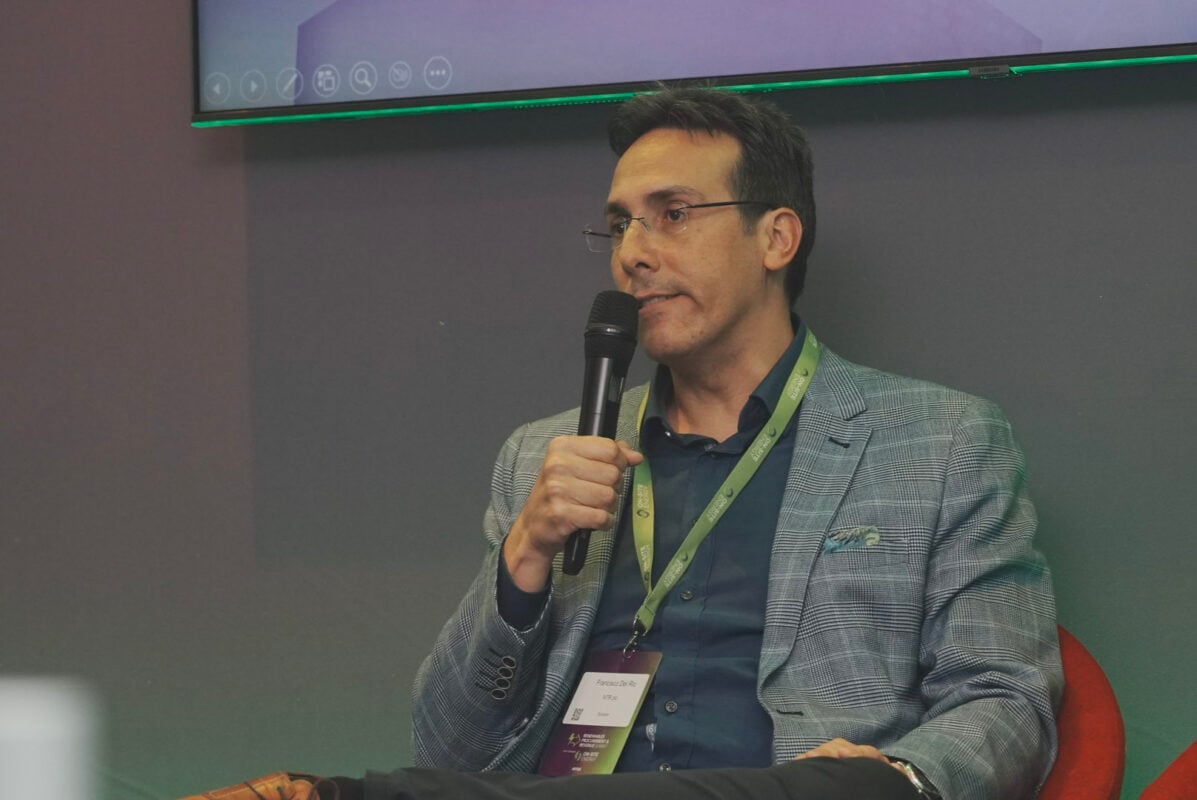
What financing options are there for renewable developers who find themselves shut out of some of Europe’s supportive auction programmes?
Why it matters: If you're still pitching 100% feed-in projects without storage, you're building a stranded asset that banks will soon refuse to touch.
The Subsidy Safety Net is Fraying
If you’re still waiting for a government-backed CfD (Contract for Difference) to make your project bankable, you’re playing a 2018 game in a 2024 reality. Auctions across Europe—from Germany’s PV tenders to Spain’s latest rounds—are becoming overcrowded races to the bottom. In many cases, developers are bidding so low that any slight uptick in EPC costs or interest rates turns the IRR into a rounding error. Being 'shut out' isn't a failure; it's a signal to pivot toward the merchant-hybrid model.
Why Lenders Love the Hybrid Hedge
Traditional banks like Santander or BNP Paribas used to run for the hills at the mention of 'merchant risk.' That’s changing, but only for developers who understand flexibility. A standalone solar farm in the Netherlands or Spain is increasingly a liability during the 'cannibalization' hours of midday. By adding a 2-hour or 4-hour Battery Energy Storage System (BESS), you aren't just selling electrons; you're selling timed electrons. This allows you to bypass the zero-price or negative-price hours that are plagueing the EPEX SPOT day-ahead markets.
The PPA Pivot
For those outside the auction loop, the corporate PPA (Power Purchase Agreement) is the only lifeline. However, sophisticated off-takers like Amazon or Google are no longer interested in 'pay-as-produced' profiles. They want 24/7 carbon-free energy. If your proposal includes a 20MW PV array paired with a 10MW/20MWh BESS using CATL or Tesla Megapack tech, you can command a premium price. You’re solving the grid’s congestion problem while securing a floor price that makes your project financeable without a single cent of government subsidy.
The Bottom Line on ROI
Stop looking at LCOE (Levelized Cost of Energy) in isolation. The new metric is LCOS (Levelized Cost of Storage) combined with revenue stacking. Between frequency restoration reserves (aFRR) and arbitrage, a hybrid project in a high-volatility market like Germany can see a 2-3% higher IRR than a subsidized project that’s capped by auction rules. The financing is there; the banks are just waiting for you to prove you can manage the volatility.