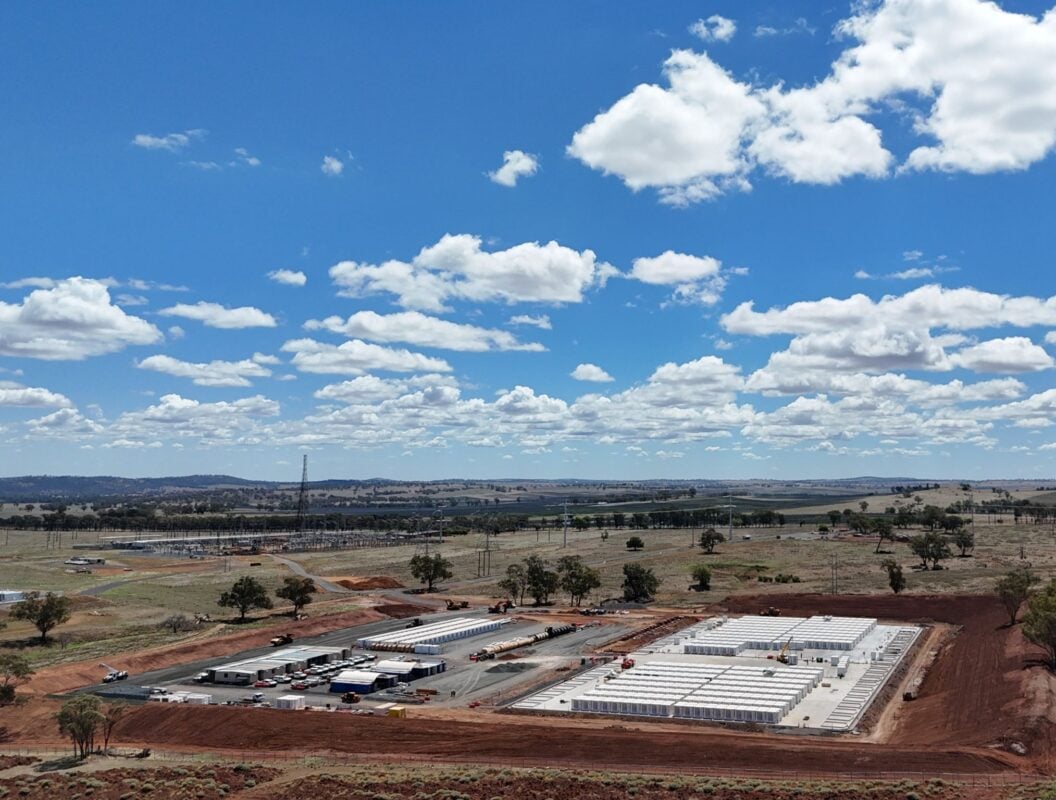
Madiha Waseem of Fluence explores how early supplier engagement & procurement models are reshaping BESS delivery amid supply pressures.
Why it matters: Your project schedule is a work of fiction if your BESS supplier hasn't seen your site plan 18 months before COD.
If you’re still trying to source utility-scale storage like you buy PV modules—spot pricing, three quotes, and a handshake at the finish line—you’re already behind the curve. The BESS market in Europe is no longer a buyer's market; it's a logistics and engineering marathon. Fluence is signaling what we’ve seen in the trenches: the 'Just-in-Time' delivery model is dead for storage.
The Transformer Trap
Everyone talks about lithium carbonate prices, but the real bottleneck for a 50MW/100MWh project in places like Germany or Italy isn't the cells—it’s the balance of plant (BoP). High-voltage transformers and switchgear currently have lead times stretching past 80 weeks. By the time a developer signs a PPA or secures a grid connection, the hardware they budgeted for has often seen a 15% price swing or, worse, a total availability blackout.
The Margin Analysis
We saw this same pattern in the 2021 inverter shortage. The developers who survived were those who moved to 'framework agreements' rather than individual POs. For a mid-sized European EPC, this means committing to a multi-year pipeline to get a seat at the table. If you're not booking 2026 capacity now, you're effectively planning to be out of the BESS business by then. The days of 'shopping around' for a 5-cent difference per kWh are over; the only metric that matters now is certainty of delivery.