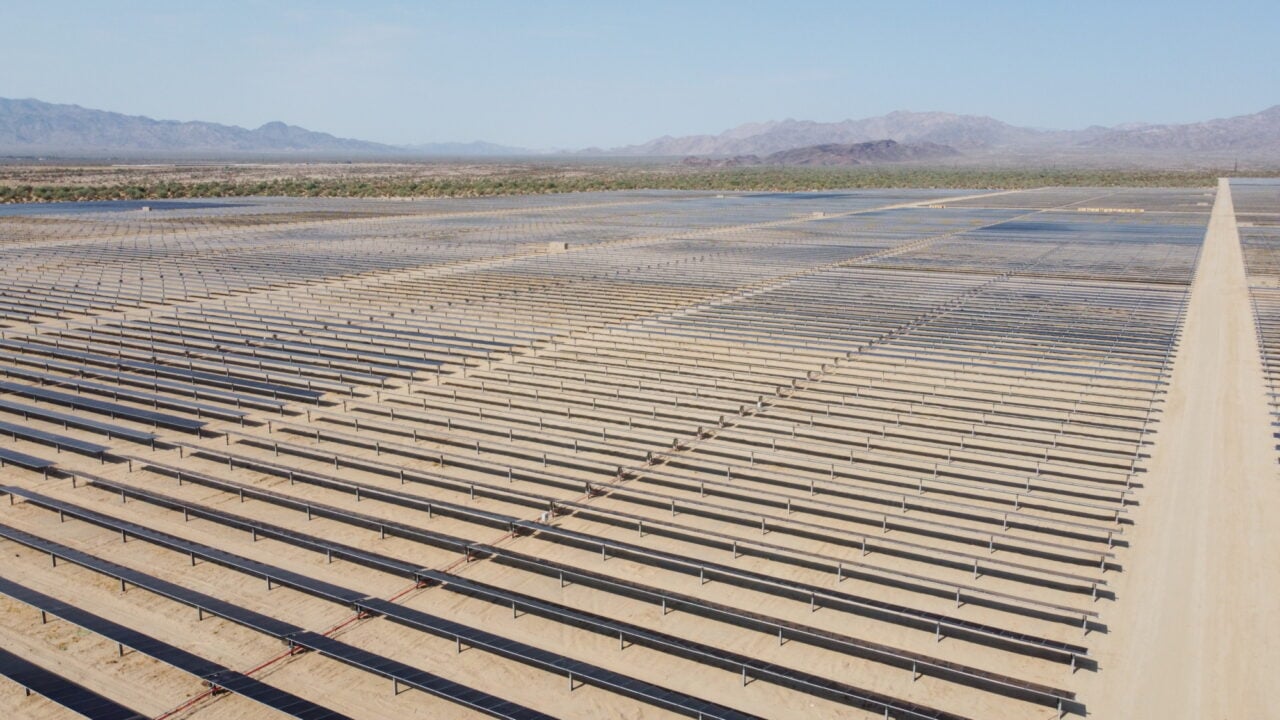
EDF power solutions North America has signed a 30-year PPA to sell power generated at the 400MW Utah Solar 1 Energy project to the LADWP.
Why it matters: EDF is locking in 30 years of revenue while EU developers fight for 10—proof that regulatory stability is the ultimate competitive advantage.
If you’re a developer in Spain or Poland currently sweating over a 7-year bankable PPA, EDF’s 30-year deal in Utah should make you both envious and deeply analytical. While the European market is increasingly forced into merchant risk or short-term 'bridge' PPAs, EDF is locking in three decades of revenue. This isn't just a solar deal; it's a financial instrument designed to mimic the long-term stability of the nuclear assets EDF manages back home in France.
The Duration Gap
In the EU, the 'cannibalization effect'—where solar depressing daytime prices eats its own tail—has made 30-year fixed-price deals a relic of the past. Why can EDF pull this off in the US? It’s about grid architecture. The US Western Interconnection provides a level of geographical diversity that helps mitigate localized price crashes, whereas our fragmented EU grids still choke on cross-border bottlenecks. If you are pitching a 5MW C&I project in Germany today, take note: the 'Big Utilities' are fleeing to the US for safety because the EU’s Electricity Market Design (EMD) updates haven't yet solved the long-term price certainty gap for private IPPs.
Follow the Cheap Capital
For a solar professional in Europe, the signal here is clear: EDF is leveraging its state-backed balance sheet to capture long-term yields where the regulatory environment allows it. We are seeing a divergence. In Europe, we are forced to be 'energy traders'—optimizing BESS and demand-side response to survive. In the US, EDF is still playing the 'infrastructure' game. If you’re waiting for 30-year PPAs to return to the Rhine or the Ebro, don’t hold your breath. Instead, watch how REPowerEU funding is increasingly tied to flexibility, not just raw volume. The 400MW scale is impressive, but in this industry, 30 years is the only number that truly matters for the IRR.