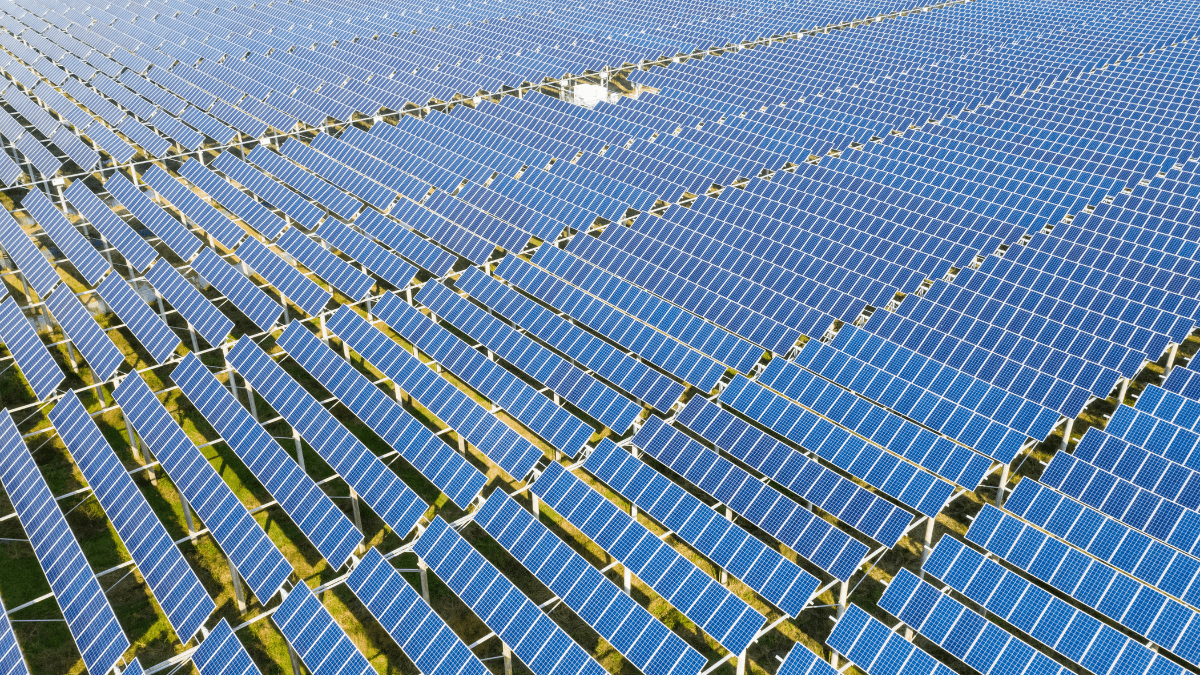
Sungrow, in collaboration with Korra Energi and ACO, has launched a 1.4 MWp solar project at the Esh El Mallaha petroleum facility in Hurghada, Egypt.
Why it matters: Industrial microgrids at extraction sites are the ultimate proof-of-concept for the high-margin, ruggedized C&I projects coming to Europe's heavy industry sector.
On the surface, 1.4 MWp is a rounding error for a giant like Sungrow. But don't let the modest scale fool you. This project at the Esh El Mallaha oil facility is a masterclass in high-margin, high-complexity C&I work that European installers are currently overlooking. While everyone is fighting for scrap-thin margins on residential rooftops in Berlin or Amsterdam, the real money is moving toward "greening the grey"—retrofitting heavy industrial and extraction sites with on-site generation.
The Harsh Environment Litmus Test
If you've ever serviced an inverter in the high-dust environments of a Spanish quarry or a coastal Greek industrial park, you know that standard gear dies young. By deploying at a petroleum facility in Hurghada, Sungrow is flexing its hardware's resilience against heat, sand, and potentially corrosive gases. For a European developer, the takeaway is clear: ruggedization is a selling point. When you pitch a 2MW system to a chemical plant or a port authority, they don't care about the slickest app; they care about the IP66 rating and whether the cooling fans will seize up after six months of industrial particulate exposure.
The Diesel Displacement Math
This isn't about ESG buzzwords; it's about the brutal economics of off-grid or weak-grid operations. Most extraction sites run on expensive diesel gensets. At current fuel prices, displacing even 20% of a facility's daytime load with solar yields an IRR that makes a standard PPA look like a savings account. In Europe, we’re seeing a similar shift as the Carbon Border Adjustment Mechanism (CBAM) begins to bite. Industrial players aren't just looking for cheap power; they are looking for low-carbon electrons to avoid massive import taxes. This 1.4MW project is a blueprint for the kind of hybrid microgrid solutions that will soon be mandatory for any energy-intensive business wanting to trade within the EU.