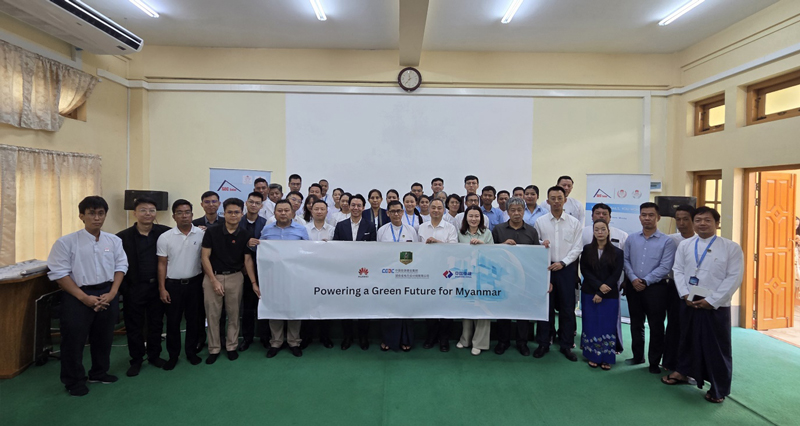
Collaboration with Huawei and other organizations emphasized Myanmar’s commitment to a sustainable energy future, targeting a significant increase in renewable energy sources.
Why it matters: When a manufacturer writes the grid's curriculum, they own the hardware pipeline—and your future margins—for the next two decades.
Don't be fooled by the "sustainable energy" fluff. This isn't just a training seminar in Southeast Asia; it’s a strategic masterclass in vendor lock-in. When Huawei Digital Power partners with a national Ministry of Electricity and Energy (MOEE) to define "global best practices" for grid integration, they aren't just teaching solar—they are hard-coding their proprietary ecosystem into the nation's infrastructure.
The 'Standards' Trap
For European installers, this story is a mirror. We’ve seen this pattern before. By providing the training and the software layer for grid modernization, a single manufacturer ensures that every future tender, every grid-code update, and every O&M contract defaults to their hardware. If the MOEE engineers are trained exclusively on Huawei’s Smart PV Management System, the likelihood of them approving a project using SMA or Fronius hardware drops significantly due to perceived "compatibility" hurdles.
The impact on your business in the EU:
In a market where the levelized cost of storage (LCOS) is the new king, whoever writes the training manual for the grid operator owns the project pipeline. We aren't just installing panels anymore; we're choosing which digital master will control our clients' assets—and our service contracts—for the next 25 years.