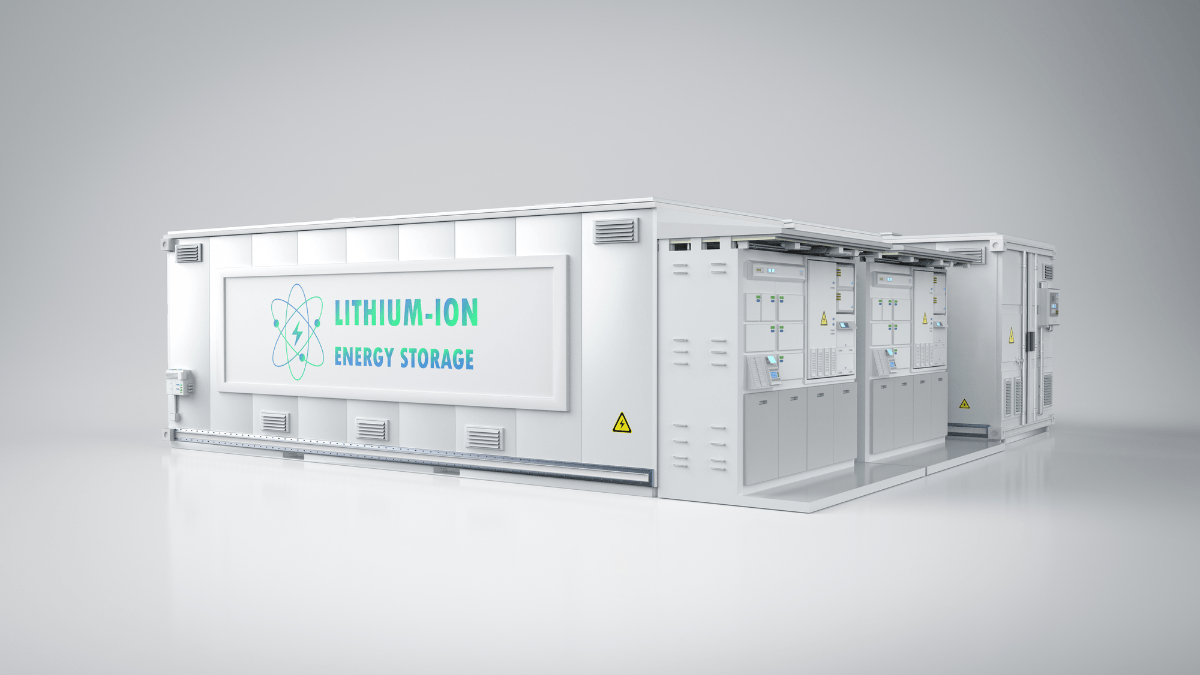
Power Grid Corporation of India Limited is inviting bids for a 250 MW / 1000 MWh Battery Energy Storage System project in West Bengal, as part of a broader initiative to establish 750 MW capacity across the state.
Why it matters: Massive Indian GWh-scale tenders dictate the global pricing and availability of the battery cells you'll need for European projects in 18 months.
The 4-Hour Standard is Going Global
While many European C&I installers are still debating the merits of 1-hour versus 2-hour storage, the global utility-scale market has clearly moved on. This 250MW/1000MWh tender in West Bengal is a textbook example of the 4-hour duration shift. We are seeing this exact same pattern in the UK’s Capacity Market and Italy’s MACSE auctions. If you aren't modeling your long-term project IRRs based on 4-hour LFP (Lithium Iron Phosphate) chemistry, you’re essentially building yesterday’s technology.
The Supply Chain Gravity Well
Why does a tender in West Bengal matter to a project developer in Germany or Poland? Volume. When POWERGRID or SECI (Solar Energy Corporation of India) drops a GWh-scale tender, it creates a gravity well for Tier 1 cell manufacturers like CATL, BYD, and Gotion. Here is the reality for European buyers:
The Standardization Trap
This news confirms that the industry is converging on a standard 5MWh+ 20-foot container format. For installers, this is a double-edged sword. It simplifies the EPC work—plug-and-play is finally becoming a reality—but it also commoditizes the hardware. Your margin won't come from the box; it will come from the Energy Management System (EMS) and how well you navigate local grid services like FCR or aFRR.