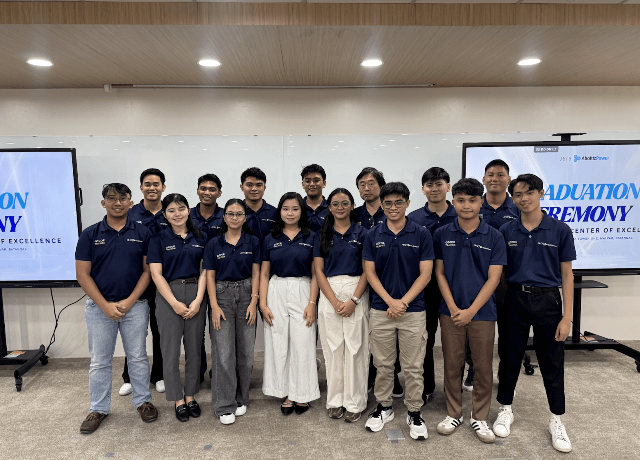
Aboitiz Power Corporation and JERA Co., Inc. established the Global Technical Center of Excellence (GTCOE) to enhance workforce skills in the energy sector.
Why it matters: Stop looking for ready-made engineers; they don't exist—JERA’s move proves that the only way to scale utility solar is to build your own talent factory.
While most European EPCs are still scrambling to find qualified electricians on LinkedIn, JERA and AboitizPower are playing the long game. The establishment of the GTCOE in Batangas isn't just about regional development; it’s a strategic hedge against the global technical labor deficit that is currently strangling project timelines from the Rhine to the Tagus.
The "Hidden" Outsourcing Play
For a developer in Berlin or Madrid, this news signals a shift in where the "brain" of a solar project lives. We’ve already seen a massive migration of PV design work—PVSyst modeling, CAD layouts, and SLDs—to specialized hubs in the Philippines and India. By investing in a "Technical Center of Excellence," JERA is essentially industrializing the production of the very engineers European firms are desperately trying to hire. If you think your local engineering firm is expensive now, wait until they have to compete with Japanese salaries for offshore talent.
The Policy Failure Gap
The EU's Net-Zero Industry Act (NZIA) talks a big game about "Net-Zero Industry Academies," aiming to train 100,000 workers. But while Brussels drafts white papers, private capital in Southeast Asia is building physical infrastructure. I’ve seen utility-scale projects in the 100MW+ range sit idle for months because a single high-voltage technician wasn't available for commissioning. JERA understands that the "E" in EPC (Engineering, Procurement, Construction) is now the tightest bottleneck. In Europe, we’re still treating training as a "nice-to-have" HR function rather than a core infrastructure requirement.
The Margin Reality
Let’s talk numbers. A senior electrical engineer in Germany commands €85,000 to €110,000 plus benefits. A similarly skilled engineer trained at a JERA-backed facility in the Philippines costs a fraction of that, even with a premium for "excellence." For European firms like BayWa r.e. or Scatec struggling with margin compression, the choice is becoming clear: either build your own training pipeline or prepare to pay a "talent tax" to the global giants who did.