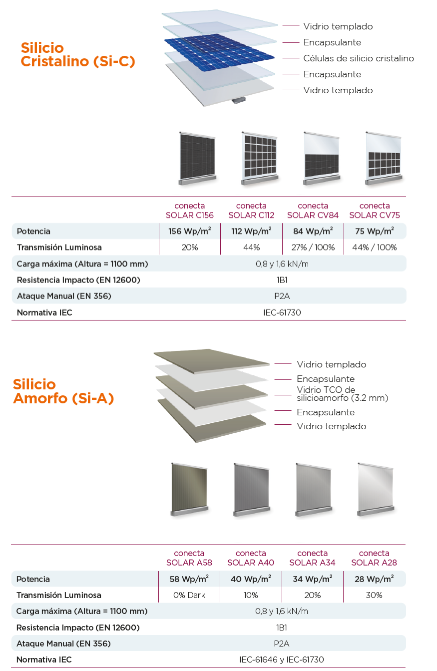
La solución integra vidrio fotovoltaico en sistemas de barandilla gracias a la colaboración de Saint-Gobain Glassolutions, Onyx Solar y Comenza, aportará una generación anual estimada de 15.000 kWh.
Why it matters: BIPV is shifting from custom architectural art to standardized components; stop fighting over crowded rooftops and start claiming the facade margins.
If you are still only looking at rooftops, you are missing the most profitable square footage in urban Europe. This collaboration between Onyx Solar, Saint-Gobain, and Comenza isn't just another "green building" pilot; it’s a signal that building-integrated PV (BIPV) is finally moving out of the custom-engineered nightmare phase and into standardized, bankable reality.
The Margin Arbitrage
Let’s talk numbers. A standard 400Wp rooftop module is a commodity with razor-thin margins. But when you sell a photovoltaic railing, you aren't selling energy—you're selling a structural building component that happens to generate 15,000 kWh per year. The levelized cost of energy (LCOE) for facade glass is traditionally high, but when you subtract the cost of the traditional glass and aluminum railings you would have installed anyway, the math flips. You’re looking at a premium product with significantly higher labor margins for your installation crews.
Solving the Liability Headache
The reason most installers avoid BIPV is the structural risk. Who signs off on the safety of a glass balcony? By partnering with Comenza (a railing specialist) and Saint-Gobain, the structural certification is baked into the product. This removes the primary friction point for project developers. In the context of the updated EU Energy Performance of Buildings Directive (EPBD), which mandates solar on all new buildings and major renovations, these "active facades" are the only way to hit targets in high-density areas like Madrid, Berlin, or Milan where roof space is a luxury.