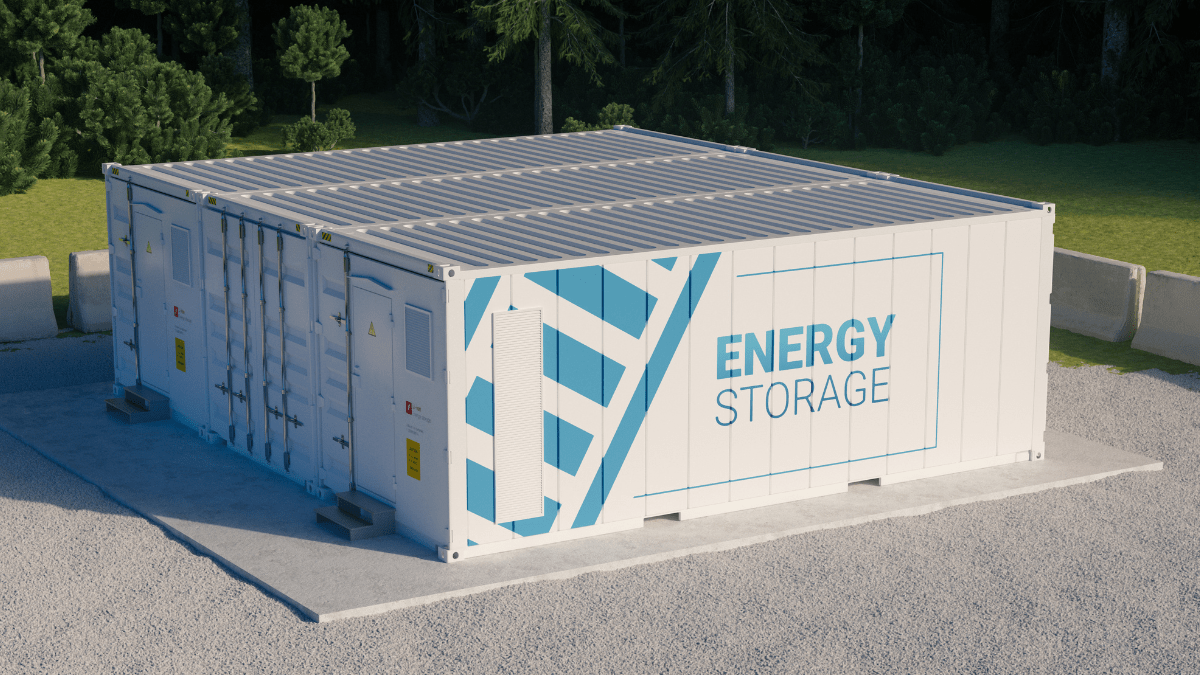
Harmonizer Energy Pvt. Ltd. has successfully launched an advanced microgrid energy system at Western Metal Industries, integrating solar power, battery storage, grid connectivity, and diesel backup.
Why it matters: The 'solar-only' era for C&I is over; you must master multi-source EMS and peak shaving or lose your most profitable industrial clients.
While many European installers are still focused on the simple math of self-consumption and feed-in tariffs, industrial players in India are leaping straight into complex multi-source orchestration. This project at Western Metal Industries isn't just about sticking panels on a roof; it’s a sophisticated dance between solar, BESS, a fickle grid, and legacy diesel. For a European pro, the "AI-driven" tag might sound like marketing fluff, but in a metal manufacturing context—where a 10-millisecond voltage drop can ruin a production batch—it’s the difference between ROI and catastrophic equipment failure.
The Margin Shift from Hardware to Logic
In Germany, Benelux, or the UK, we’ve been spoiled by stable grids. That’s ending. Between increasing grid congestion and the volatility of day-ahead prices on EPEX SPOT, the "set and forget" grid-tie model is a race to the bottom. If you want to protect your margins, you need to stop selling "solar" and start selling "resilient energy uptime."
The signal is clear: the hardware is becoming a commodity. The profit is in the orchestration. If you aren't building expertise in AI-driven EMS today, you're just a glorified electrician in a world that needs energy architects.