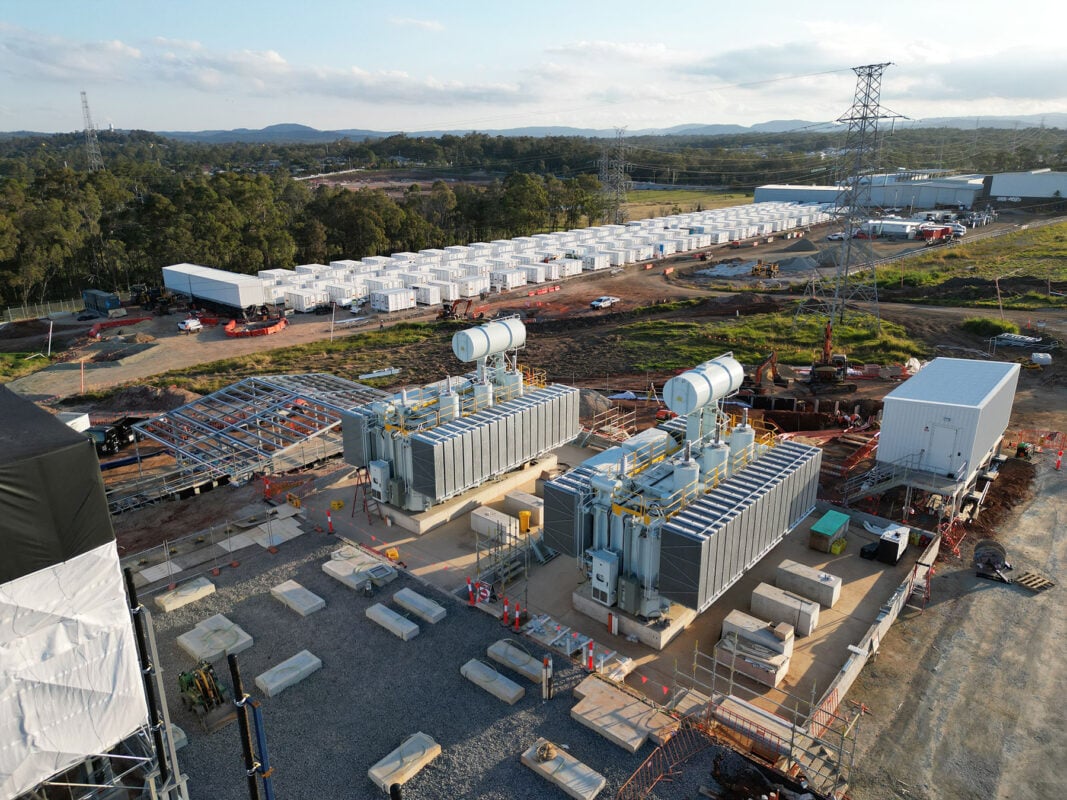
Queensland's growing battery energy storage system (BESS) fleet set new instantaneous records for both the renewables-plus-storage (RES) share of consumption and the battery storage share of consumption on 31 May 2026.
Why it matters: Storage is no longer an optional add-on; it is the only way to protect your project's ROI against the inevitable collapse of mid-day power prices.
The Death of the 'Baseload' Ghost
If you're still pitching solar-only projects to C&I clients, you're selling a legacy product. Queensland’s jump to nearly 80% renewables-plus-storage isn’t just an Australian curiosity; it’s a stress test for the European grid's future. Queensland was, until recently, the coal-fired heart of Australia. If they can flip the script to this level of instantaneous penetration, the 'reliability' argument used by European gas and coal lobbies is officially on life support.
The Arbitrage Trap
In markets like the Netherlands or Spain, we’re seeing negative price events becoming a weekly occurrence. Queensland is proving that BESS isn't just for frequency response or niche grid services—it’s the primary load-shifter. For European developers, the lesson is clear: Your IRR calculations are lying to you if they don't account for the cannibalization of mid-day solar prices. You need to stop being a 'solar installer' and start being an 'energy management architect.'
We saw this pattern emerging with Neoen’s big batteries in South Australia, but Queensland’s fleet approach—integrating utility-scale assets like the 150MW/300MWh Riverton BESS with residential clusters—is the real blueprint. When storage handles a massive chunk of consumption, your revenue stack changes. You’re no longer selling kWh; you’re selling availability. If you aren't integrating sophisticated EMS (Energy Management Systems) into every commercial quote today, you’re leaving your clients exposed to the €0/MWh price floor when the sun is highest.