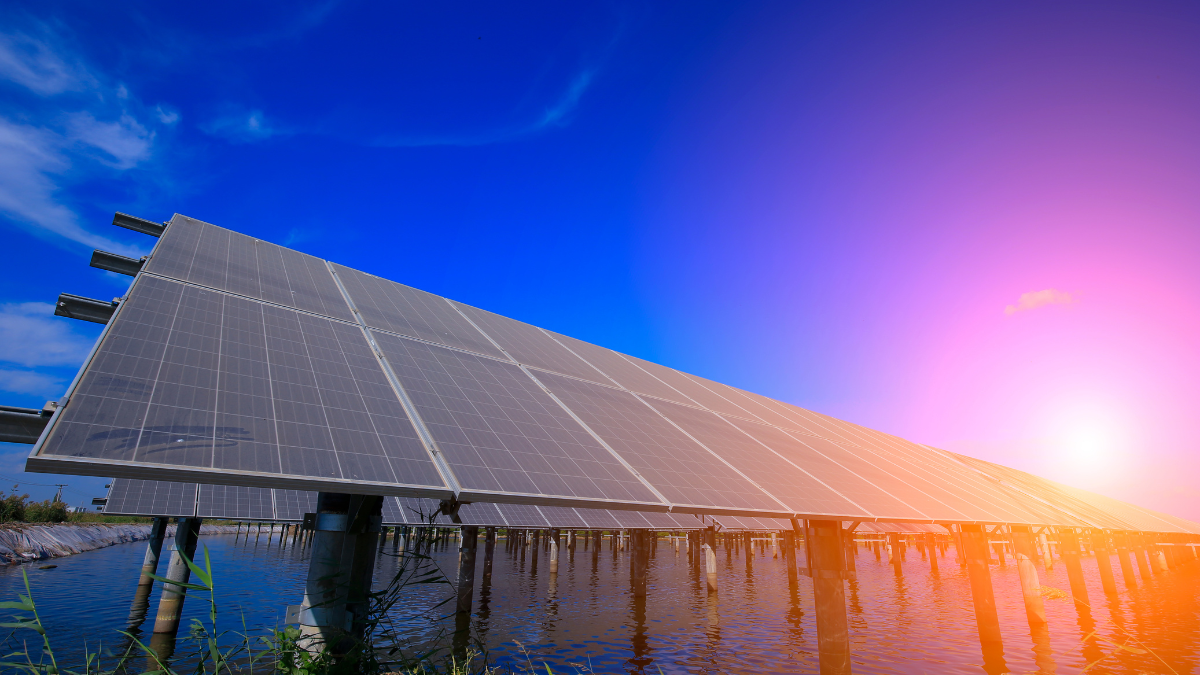
The 503.1 kW system will supply 16% of the facility's electricity needs, cutting energy costs and carbon emissions.
Why it matters: When the world’s biggest roofing companies start building their own PV plants, the line between 'solar installer' and 'roofing contractor' is officially erased.
Don’t let the Seville, Ohio dateline fool you. While a 503.1 kW system is a rounding error for utility-scale developers, IKO—a global heavyweight in roofing and waterproofing with deep roots in the European market—stepping into the solar arena is a loud market signal for every C&I installer from Antwerp to Lyon.
The End of the Warranty War?
If you've spent more than a week in the European C&I sector, you know the "Warranty Dance." You want to install a 1,500-panel array on a warehouse, but the roofing manufacturer threatens to void the 20-year waterproofing warranty the moment a single rail hits the membrane. By executing this project at their own Blair Rubber facility, IKO is signaling a shift toward the integrated building envelope. They are moving from being a passive component supplier to an active energy stakeholder.
Market Signal Analysis
When roofing giants start "practicing" on their own facilities, they aren't just saving 16% on their power bill. They are developing standardized mounting protocols that favor their own proprietary systems. For the independent installer, this presents a specific strategic challenge:
The EPBD Factor
Under the revised EU Energy Performance of Buildings Directive (EPBD), solar becomes mandatory on most public and non-residential buildings by 2027. We are moving from "solar-ready" to "solar-mandatory." IKO’s move in Ohio shows they are getting their hands dirty with the technicalities of load-bearing calculations and thermal expansion—operational data they will undoubtedly use to dominate the European commercial renovation wave. If you aren't talking to the roofing manufacturer during the tender phase, you're leaving your margin—and your liability—to chance.