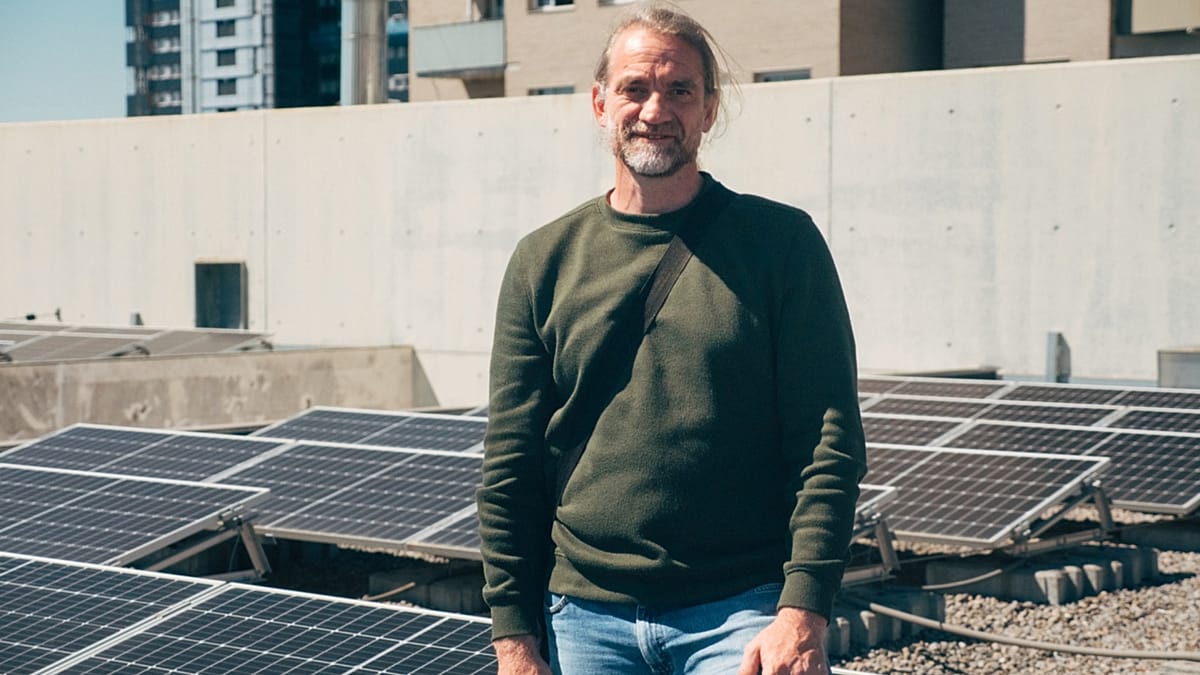
Providing affordable clean energy to Europeans has become an “absolute obstacle course” due to the continent’s congested grid.
Why it matters: If your project pipeline relies on a 2025 grid connection to hit its IRR, you don't have a project; you have a gamble.
The Phantom Pipeline Trap
We’ve spent the last decade complaining about permitting and NIMBYism, but the real assassin of European solar margins is now the local substation. That €100 billion figure isn't just a macro statistic; it represents thousands of projects currently sitting on balance sheets as 'assets' that are effectively expensive garden ornaments because they lack a grid connection agreement. If you are a developer in the Netherlands or parts of Germany, you already know the 'traffic light' maps are permanently red. The era of building a 5MW ground-mount and expecting a handshake from the TSO is over. We are seeing a fundamental shift: The grid is no longer a public utility; it is a finite, premium commodity.
Survival Tactics for the Congested Era
The hard truth? TSOs like TenneT and Statnett aren't coming to save you by 2025. Their Capex cycles are measured in decades, while our installation cycles are measured in months. Your business model needs to stop relying on the grid as a bottomless sink and start treating it as a secondary backup for onsite storage and demand-side management.