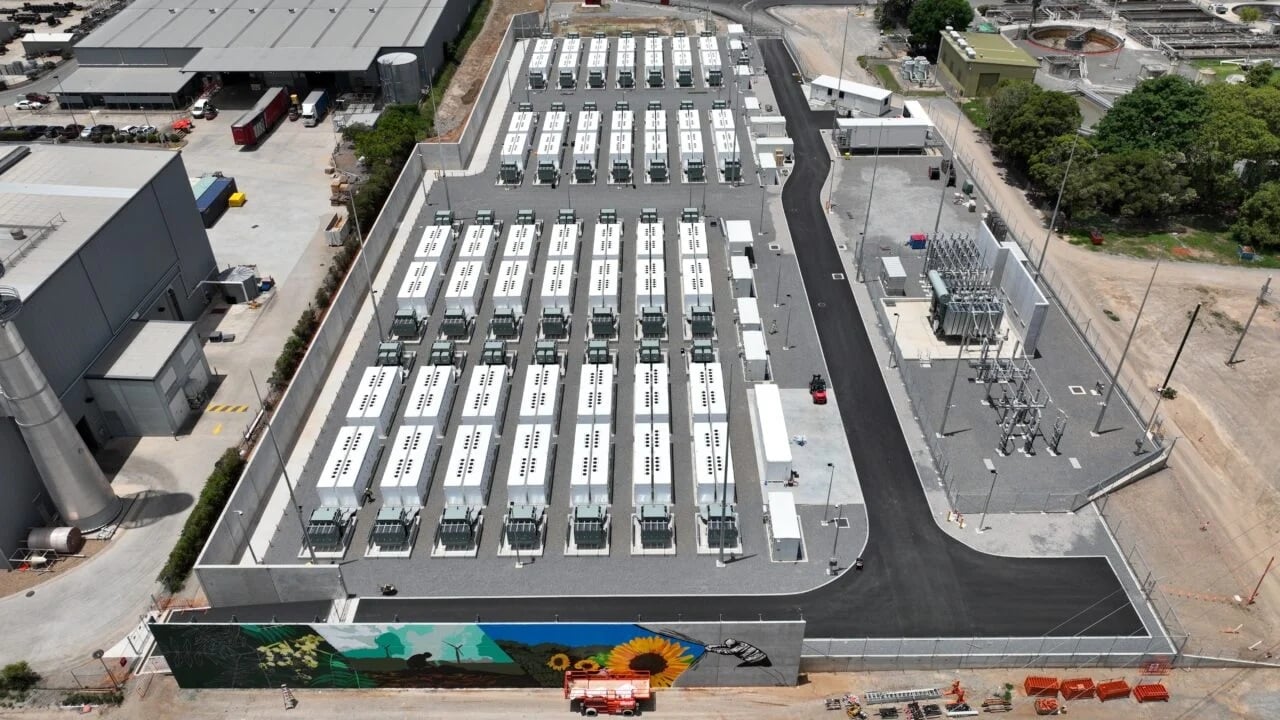
Akaysha Energy's 415MW/1,660MWh Orana BESS has reached full output, with the facility now listed as operating in Australia's NEM.
Why it matters: The 4-hour storage duration is no longer a niche use case; it is the industry standard for surviving solar price cannibalization.
While many European developers are still patting themselves on the back for commissioning 50MW/100MWh systems, the Australians—backed by BlackRock’s institutional muscle—are showing us the inevitable endgame of the energy transition. The Orana BESS isn’t just a big battery; its 4-hour duration (1,660MWh for 415MW) signals a fundamental shift from grid-balancing 'sprints' to energy-shifting 'marathons.'
The Death of the 2-Hour Battery
For years, the European BESS market, particularly in the UK and Germany, has been obsessed with FCR (Frequency Containment Reserve) and short-burst ancillary services. That gold rush is ending. As solar penetration hits the levels we see in South Australia or Queensland—and increasingly in Spain and the Netherlands—the volatility moves from seconds to hours. If you are building a BESS project in 2024 with a 1:1 or 1:2 power-to-energy ratio, you are building a stranded asset. The 4-hour duration seen at Orana is the minimum required to bridge the gap between peak PV generation and the evening ramp.
The takeaway for the EU professional: If your C&I or utility-scale proposal doesn't include a footprint for 4-hour duration storage, your client will be back in three years asking why their ROI is cratering during summer price cannibalization. Stop selling 'backup' and start selling 'time-shifting.'